

When Taken: Natalee Holloway premiered on Netflix on November 4, 2026, its emotional centre was clear: Beth Holloway, a mother who spent years refusing to let her daughter’s disappearance become an unanswered footnote. The three-part documentary, directed by Dani Sloane and Matthew Galkin, revisits the case through people close to Natalee, investigators, journalists, and previously unseen material. Netflix’s official synopsis describes it as the story of a mother’s relentless fight for the truth.
That framing helps explain the theme behind the series. The filmmakers place Beth’s persistence at the centre, but the documentary is not simply a tribute that asks viewers to accept every recollection without question. It uses her perspective as a way into a wider account of the search, the investigation, and the long wait for answers. Her courage is shown not as one dramatic moment, but as years of continuing to ask questions while the facts remained incomplete.
Why the series puts a mother’s perspective first
Netflix says the production had unprecedented access to Beth and to people who were with Natalee when she vanished. Its Tudum guide identifies a broad group of participants, including Natalee’s friends Madison Greer and Claire Fierman, attorney John Kelly, family friend Sue Remick, Aruban journalist Dilma Arends Geerman, former deputy police chief Gerold Dompig, and retired FBI agents Alexandra Montilla and Michael Leverock. The range of voices matters: Beth’s story is the spine, while other witnesses and records provide context.
In a November 10, 2026 Forbes interview, director Dani Sloane discussed the documentary’s major revelations and the work of revisiting a case that had remained in public consciousness for more than two decades. The strongest supported reading of the filmmakers’ approach is that Beth’s determination is a central theme, presented alongside interviews and archival evidence—not instead of them. That distinction allows the series to recognise a mother’s endurance while keeping the investigation’s complexities visible.

The first days revealed what persistence looked like
Natalee Holloway, 18, disappeared during a high-school graduation trip to Aruba in May 2005. She was last seen on the night of May 30 and did not return for the flight home. ABC News later reported that Beth travelled to Aruba within roughly a day of learning her daughter was missing and confronted Joran van der Sloot, the young man she believed could explain what had happened. Beth told ABC’s 20/20 that she was determined to hold on to the lead she believed mattered.
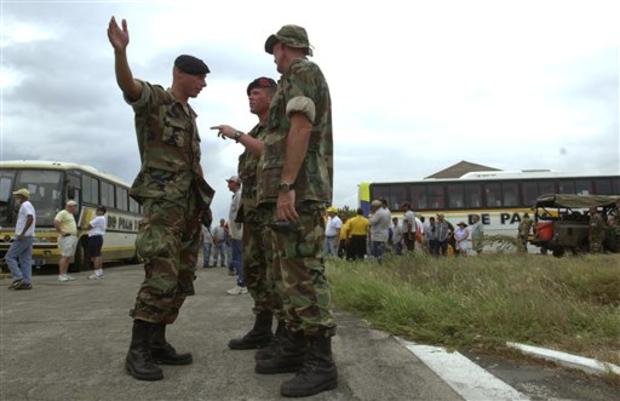
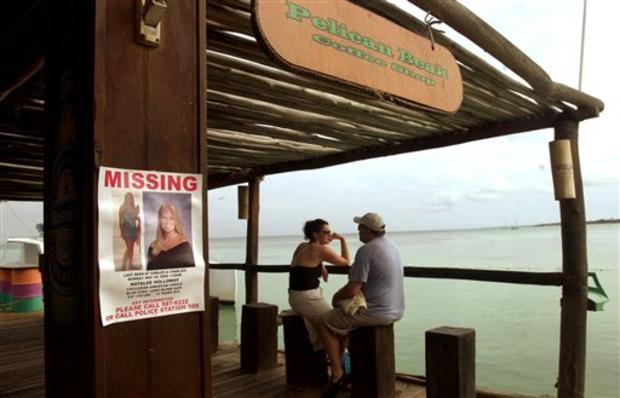
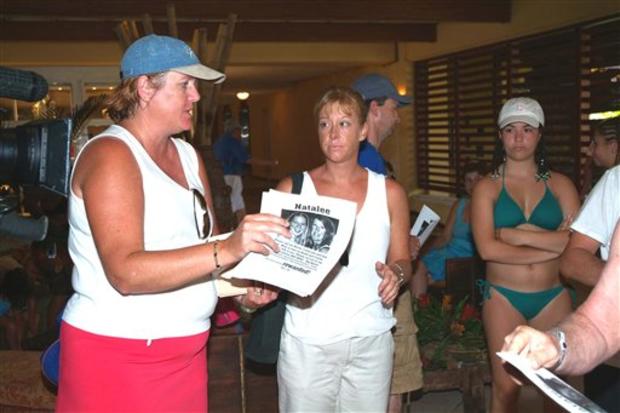
The search quickly became a collective effort involving family, volunteers, local authorities, Dutch personnel, and American investigators. CBS News’ contemporaneous photo archive records prayer vigils, search activity, public appeals, and community efforts in Aruba and Alabama. Those images show that Beth’s private fear unfolded in front of cameras and crowds. Her persistence was not a single speech; it was the repeated decision to keep asking for information when each new lead could bring another disappointment.

A mother’s determination—and a community’s work
The documentary’s other participants help prevent the story from becoming a one-person account. Friends restore Natalee as a young woman with relationships, plans, and a future; investigators and journalists revisit decisions and evidence; Beth’s legal team explains later efforts to obtain answers. These perspectives show that Beth’s persistence did not mean she could conduct every search or investigation herself. She relied on people with different skills and kept pressing for answers while the wider effort continued.
CBS’s archive includes images of volunteers and local residents participating in the search, distributing flyers, and gathering for vigils. The photographs are reminders that the response extended beyond the family’s public appearances. The documentary’s use of interviews and previously unseen material gives that wider network a place in the story. Maternal courage and collective investigation are not competing explanations; they are parts of the same history.
What changed after the 2023 confession
For years, Beth’s search was defined by the absence of a verified account of what happened to Natalee. That changed in October 2023, when van der Sloot pleaded guilty in a U.S. federal case involving extortion and wire fraud and gave an account of Natalee’s killing as part of the proceedings. That plea was not a murder conviction in Natalee’s case, and her remains have not been recovered. Those distinctions are important when describing what the family finally learned.
In a November 4, 2026 interview with Netflix Tudum, Beth said reaching an end to the not-knowing mattered, but she did not describe it as conventional “closure.” She said she had wanted answers and continued working toward justice. Tudum also reported that she has been working with Dutch attorneys Royce de Vries and Annemiek van Spanje on a murder complaint to Dutch authorities. That is a further legal effort, not confirmation that Dutch murder charges have been filed or that a trial is scheduled.
The emotional point is not that a confession erased the years of loss. It is that Beth’s role changed after she received an account of what happened: the search for basic answers reached a turning point, while questions about accountability and the wider legacy of the case remained.
Her work now reaches other families
Netflix Tudum reported that Beth returned to public-school speech pathology after stepping away for years during the search. The interview also describes her efforts to help families of other missing people, including assisting with communication with law enforcement and finding search-and-rescue resources. Her experience has become something she tries to share with others facing a crisis.
That does not mean every missing-person case follows the same path or that one family’s experience can guarantee another family an answer. It does show how Beth has chosen to use the knowledge and attention generated by Natalee’s case. Her advocacy is practical: connecting people, sharing lessons, and helping families navigate systems that can be difficult to understand while they are frightened and exhausted.
The documentary’s title belongs to Natalee, and the series repeatedly returns to the young woman whose future was cut short. Beth’s courage is not a replacement for Natalee’s identity. It is one way the filmmakers explore the lasting impact of her disappearance on the people who loved her.
What the directors’ theme does—and does not—claim
Calling the series a story of maternal courage does not require treating Beth as infallible or turning a documentary into a verdict on every disputed detail. A responsible account can recognise the strength required to sustain a search while testing claims against records, interviews, and legal outcomes. The series’ inclusion of investigators, journalists, friends, and archival footage creates room for that distinction.
The clearest evidence of the directors’ emphasis is the structure they chose: Beth’s long pursuit of answers is the emotional spine, while other voices and material fill out the chronology. Netflix describes a mother who refused to stop searching; Tudum’s interview lets Beth explain what the eventual answers meant to her; and Forbes’ interview places the filmmakers’ work in the context of the case’s major revelations. The theme is not simply that a mother never gave up. It is that her persistence shaped how the public understands a case that lasted far beyond the first news cycle.
For viewers, that may be the documentary’s most lasting point. Natalee’s disappearance was a crime story, an international investigation, and a media phenomenon. It was also a family’s life-changing loss. By keeping Beth’s perspective at the centre while bringing in other voices, Taken: Natalee Holloway asks audiences to see the human cost behind the headlines without confusing emotion with proof.
Frequently Asked Questions
Sources and further reading
- Netflix Media Center: Official synopsis and director credits
- Netflix Tudum: Series background, participants, and premiere details
- Netflix Tudum: Beth Holloway interview on the aftermath and her continuing work
- Forbes: Director Dani Sloane discusses the documentary’s major revelations, November 10, 2026
- CBS News: Associated Press photo archive from the early search in Aruba, June 2005
- ABC News: Beth Holloway’s account of the search and her early confrontation
Editorial note: This article distinguishes the documentary’s framing and Beth Holloway’s account from independently established legal facts. It does not describe the 2023 plea as a murder conviction in Natalee’s case.