

For more than two decades, many people have recognized Natalee Holloway through a single photograph: a smiling teenager with long blonde hair, a familiar senior-portrait image that appeared again and again as news coverage followed her disappearance in Aruba. The picture became an emblem of a case. But a photograph, however recognizable, cannot tell a person’s whole story.
Taken: Natalee Holloway, Netflix’s three-part documentary series, makes that distinction central to its approach. By bringing Natalee’s mother, Beth Holloway, together with friends and people connected to the investigation, the series asks viewers to look beyond the image that came to represent a tragedy and remember the young woman who existed before the headlines.

The person behind the photograph
Netflix’s official background on the series describes Natalee as an 18-year-old from Mountain Brook, Alabama, who disappeared during a high-school graduation trip to Aruba on May 30, 2005. The Tudum account adds details that are easy to lose when a person is reduced to a case summary: she had a full circle of friends, was academically driven, had earned a full academic scholarship to the University of Alabama, and hoped to become a doctor.
Those details matter because they restore a sense of an unfinished life. Natalee was not simply the subject of a missing-person investigation. She was a student preparing for college, a daughter with her own opinions, and a friend whose future had already begun to take shape. Her nickname among friends, “Hootie,” is another small but human detail that makes the public image feel less distant.
Why friends’ memories change the perspective
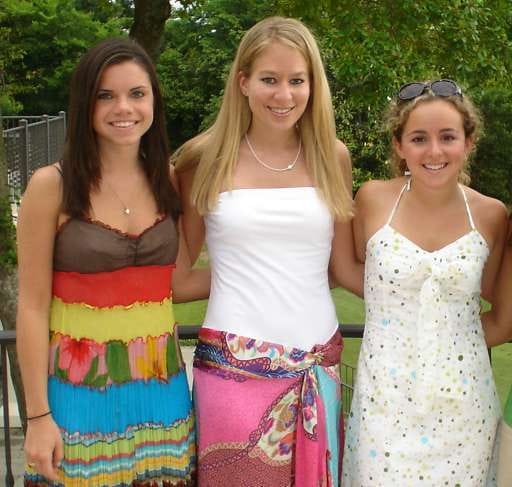
The series includes Natalee’s friends Madison Greer and Claire Fierman among the people who help tell the story. Their presence shifts the frame from a public investigation to the life remembered by people who knew her personally. A friend’s recollection can communicate ordinary personality—how someone spent time, joked, studied, or fitted into a group—in ways that a timeline of arrests and searches cannot.
Netflix’s Tudum coverage describes Beth remembering Natalee as determined and driven, but also funny, lighthearted, and surrounded by friends. That balance is important. A person can be serious about school and still love having fun; she can have plans and ambitions without being defined only by them. The documentary’s more personal material helps hold those qualities together rather than turning Natalee into a one-dimensional symbol.
Beth Holloway’s account is also a family portrait
Beth’s participation gives the series its emotional center, but it also provides a parent’s view of the daughter behind the photograph. Her memories describe a young woman with a strong personality and a busy social life. The series places those memories alongside the long search for answers, showing how the public case and private grief became inseparable for a family.
That perspective does not make every part of the story simple or remove the pain from it. Instead, it gives viewers a way to understand what the investigation meant to the people closest to Natalee. The case lasted for years, but the person at its center had a life and relationships that existed before the search began.
A documentary that widens the frame without changing the facts
Taken: Natalee Holloway premiered on Netflix on November 4, 2026. The three-part series was directed by Dani Sloane and Matthew Galkin and includes interviews with friends, investigators, journalists, and others connected to the case, alongside previously unseen footage described by Netflix. Its structure revisits the disappearance, the investigation, and the later developments that brought Beth answers.
The series does not mean Natalee’s remains have been found; they have not. Nor does a more intimate portrait erase the unanswered questions that remain around the case. In 2023, Joran van der Sloot admitted in a U.S. court proceeding to killing Natalee as part of his guilty plea to extortion and wire-fraud charges connected to his attempt to obtain money from Beth. The legal context should be described precisely: the admission came in that federal proceeding, and he was not separately convicted of Natalee’s murder in Aruba.

Keeping those distinctions clear is part of treating Natalee’s story with respect. Humanizing her does not require exaggeration, speculation, or a dramatic claim that the documentary has solved every question. It means giving readers the verified context to see the person as more than the circumstances of her disappearance.
What viewers may take away
One reason the senior portrait became so enduring is that it offered the public a single, immediate image to attach to a complicated story. The documentary’s personal interviews complicate that shorthand in a useful way. They invite viewers to consider the person’s ambitions, friendships, humor, and family life—not only the chronology of a crime.
That shift also changes the meaning of remembrance. Natalee’s life should not be measured only by the years since she disappeared or by the attention the case received. Her plans for college, her hoped-for future in medicine, and the affection her friends and family describe are part of the record too. The image remains recognizable, but it no longer has to carry the entire story by itself.
How the filmmakers avoid reducing Natalee to a case file
There is a difference between adding biographical facts and changing the way a documentary asks an audience to see someone. The first can supply dates, school plans, and family details; the second asks viewers to recognize that a missing-person case began with a living teenager whose future was still unfolding. In a November 2026 interview about the series, director Dani Sloane discussed wanting the documentary to show Natalee as a young woman with hopes, dreams, and a future—not merely a headline or a cautionary tale. That creative intention is a useful lens for understanding why the series makes room for personal memories alongside investigative material.
The distinction also calls for care. Friends and family can describe the Natalee they knew, but their memories are personal perspectives, not a complete record of every part of her life. A responsible portrait lets those voices add texture without pretending that a documentary can reconstruct everything about a person. It also avoids turning ordinary teenage choices into clues or judging her life only through the tragedy that followed.
The series’ three-episode structure places those personal accounts within a larger chronology of the disappearance, search, investigation, and later developments. Netflix’s official episode guide shows that the chapters move from Natalee’s disappearance to the investigation’s turning points and the later confrontation. That structure matters: it keeps the crime narrative in view while making space for the person whose life was interrupted. The director’s discussion on Criminally Obsessed and her conversation on Reality Life with Kate Casey provide additional context on the filmmaking choices and the effort to look beyond the headlines.
That approach does not require inventing scenes, guessing what Natalee might have done with her future, or treating a senior portrait as a complete biography. It means keeping the known facts distinct from recollection and interpretation. The strongest tribute is not a fictional version of the life she might have lived; it is a careful account that preserves what family, friends, and reliable records can actually tell us.
Frequently asked questions
Who was Natalee Holloway before her disappearance?
She was an 18-year-old from Mountain Brook, Alabama, preparing to attend the University of Alabama on a full academic scholarship. Netflix’s Tudum coverage says she hoped to become a doctor and was remembered by friends as sociable, funny, and academically focused.
How does Taken: Natalee Holloway show her personality?
The series includes memories from her mother, Beth, and friends including Madison Greer and Claire Fierman. Their recollections add personal context about Natalee’s humor, determination, friendships, and plans.
When did the Netflix documentary premiere?
The three-part documentary premiered on Netflix on November 4, 2026.
Were Natalee Holloway’s remains recovered?
No. Netflix’s series background and reporting about the case state that her remains have not been recovered.