
For Natalee Holloway’s family and friends, the years after she disappeared in Aruba were not a single, uninterrupted period of grief. They were a succession of emotional turns: disbelief, frantic hope, public scrutiny, anger, exhaustion, renewed attention, and—after Joran van der Sloot’s 2023 confession—answers that arrived without bringing Natalee home. The Netflix documentary Taken: Natalee Holloway, released in November 2026, revisits that long arc through the people who lived it, including Natalee’s mother Beth Holloway and several of her closest friends.
The phrase “20 years” can make the story sound like one continuous wait. The people closest to Natalee describe something more complicated. The family had to keep functioning while the investigation shifted, the public narrative changed, and each new development reopened the same loss. Friends who were teenagers when Natalee vanished grew into adults carrying memories and reactions that did not necessarily follow the same timetable as the criminal case.
Before the headlines, there was a daughter and a close circle of friends
Netflix’s official companion coverage describes Natalee as a driven student with a lively, humorous side. She had graduated from Mountain Brook High School in Alabama and planned to attend the University of Alabama on an academic scholarship. Her friends called her “Hootie,” and Beth recalled a young woman who was often surrounded by a large group of friends.
That ordinary detail is important. Natalee’s disappearance did not happen to an abstract name in a news story; it happened to a teenager with friendships, plans, private jokes, family routines, and a future that her loved ones expected to see unfold. The documentary’s interviews with friends Madison Greer and Claire Fierman, alongside Beth and others who helped in the search, try to restore some of that fuller picture.
In its November 5, 2026, feature, Netflix Tudum says the series follows the case through the eyes of people closest to Natalee and includes interviews with friends, Beth’s attorney John Kelly, family friend Sue Remick, Aruban search participants, journalists, and investigators. That mix matters because no single person experienced the two decades in exactly the same way.
The first emotional shock: a search that became a global story
Natalee disappeared on May 30, 2005, during a high-school graduation trip to Aruba. She was last seen leaving a nightclub with a group that included Joran van der Sloot and did not return to her hotel or board the flight home. Beth travelled to Aruba after learning that her daughter was missing. Family friends and volunteers joined search efforts alongside authorities from Aruba, the United States, and the Netherlands.
Netflix’s account says Beth recalled between 100 and 150 people rallying on the island at the height of the search. The scale of that response reflected the urgency felt by those looking for Natalee, but the expanding media presence also changed the experience for her family. Every lead could revive hope; every failed lead could deepen the sense of uncertainty. As the case became an international news story, the family’s private anguish was repeatedly discussed in public.
In its review of the documentary, The National describes how the series examines the media attention and the tension that developed around the portrayal of Aruban authorities. That context helps explain why the emotional toll was not limited to the disappearance itself: family members were also navigating competing accounts, public criticism, and the pressure of being watched while trying to find answers.
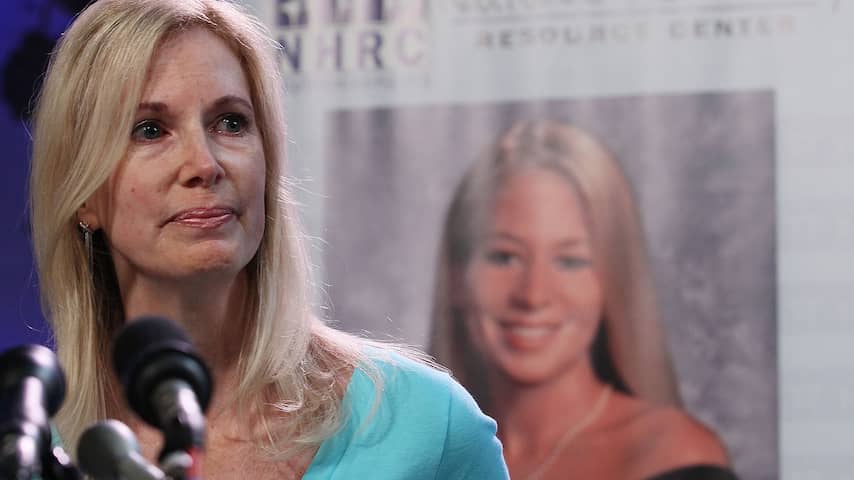
Friends carried a different kind of grief
Natalee’s friends were also young when she vanished. A 2010 Glamour interview with close friends Mallie Tucker and Claire Fierman described how the unresolved disappearance affected them in ways they did not immediately understand. They recalled shock, difficulty speaking about Natalee, and the emotional strain of watching the case remain unresolved. Their account is a reminder that friends can experience profound loss even when they are not the people most visible in the headlines.
That earlier interview should not be treated as a universal account of every friend’s experience. It documents the recollections of two people at a particular point in time. But it provides a valuable counterpoint to the later documentary: the effects of a missing friend can surface unevenly, and the absence of a body or a definitive account can make ordinary rituals of mourning difficult.
The new series includes Madison Greer and Claire Fierman among the friends who speak about Natalee. Netflix’s reporting also quotes Beth reflecting on the loyalty of her daughter’s circle, saying she believes Natalee would be proud of how her friends remained united and supportive. Two decades later, that enduring connection is one of the documentary’s most human themes.

Parents faced the same loss from different places
Beth’s role in the search became highly visible. She travelled to Aruba, spoke to investigators and reporters, worked with legal representatives, and continued seeking answers for years. Netflix’s November 4, 2026, interview says she later returned to her work as a public-school speech pathologist and now also helps families of other missing people navigate communication with law enforcement and search resources.
Natalee’s father, Dave Holloway, has generally maintained a lower public profile. Recent coverage by Entertainment Weekly describes how both parents continued to seek answers, while taking different approaches to public attention and life after the disappearance. The difference in visibility should not be mistaken for a difference in love or grief. Families can respond to trauma in distinct ways, and public appearances are not a reliable measure of what someone feels privately.
The documentary and later interviews also make clear that the family’s search was not a simple march toward a single moment of resolution. Years passed with conflicting accounts and no recovery of Natalee’s remains. The lack of a body meant there was no conventional funeral or physical place that could settle the uncertainty for those closest to her.

Why the 2010 and 2023 developments changed the emotional landscape
In 2010, van der Sloot attempted to obtain money from Beth Holloway’s attorney in exchange for information about Natalee’s remains. The FBI operation and resulting federal case added another painful chapter. In 2023, van der Sloot pleaded guilty in the United States to extortion and wire fraud and, as part of the proffer agreement, gave an account admitting that he killed Natalee. He was not separately convicted of Natalee’s murder in that proceeding.
Netflix’s November 4 interview with Beth describes the distinction she makes between “closure” and the end of the torment of not knowing. She says the uncertainty had meant enduring scams, theories, and repeated investigations. The confession gave her answers about what happened, but it did not restore Natalee or erase the years that had passed.
That difference is central to the emotional story. A legal development can settle an important factual question without making grief disappear. The family and friends still live with the absence of the person they knew, the milestones she never reached, and the memories that now carry both affection and pain.
What the documentary adds—and what it cannot resolve
Taken: Natalee Holloway is a three-part Netflix series that premiered on November 4, 2026. Its value lies not only in retelling the investigation, but in bringing together perspectives from Natalee’s mother, friends, people involved in the search, journalists, and investigators. Netflix says the series includes previously unseen material and footage from the 2010 FBI operation.
A documentary can organize a complicated history and give participants space to describe their memories. It cannot make every private emotion visible, and it cannot speak for every person who knew Natalee. Nor does a new interview automatically settle every disputed detail in the case. Viewers should distinguish first-person recollections, official records, legal outcomes, and the filmmakers’ editorial choices.
For the family and friends, the emotional journey was never simply “twenty years of waiting.” It was a changing relationship with absence: first the hope that Natalee would be found, then the exhausting uncertainty, then the shock of renewed developments, and finally the difficult knowledge supplied by the 2023 confession. The documentary offers a chance to hear some of those experiences in their own words.
Remembering Natalee beyond the case
The most respectful way to understand the long aftermath is to keep Natalee’s life in view alongside the investigation. She was a student with plans, a daughter, a sister, and a friend whose circle continued to remember her. The people who loved her did not all grieve in the same way, and they were not required to move on according to a public timetable.
Two decades of headlines can flatten a person into the circumstances of her disappearance. The accounts from Beth, Dave, Matthew, and Natalee’s friends push back against that reduction. They show how a family and a community carried memories forward while seeking answers—and how even an answer, when it finally came, could not undo the loss.
Sources and further reading
- Netflix Tudum: Beth Holloway tells Natalee’s story in the 2026 documentary — series background, friends interviewed, search history, and Natalee’s life before the trip.
- Netflix Tudum: Beth Holloway on life after the confession and what comes next — Beth’s reflections, her work, and the friends’ continuing support.
- Glamour: Natalee’s friends remember the years after her disappearance — first-person recollections from Mallie Tucker and Claire Fierman.
- The Associated Press: reporting on the 2023 U.S. guilty plea and related case history.
- The National: Review of Taken: Natalee Holloway — analysis of the series’ emotional focus and media context.
- Entertainment Weekly: Where Beth and Dave Holloway are now — recent reporting on the family’s lives more than two decades later.
Editorial note: This article distinguishes reported recollections and documentary interviews from established legal outcomes. It does not claim to represent every friend or relative, and it avoids treating private grief as something that can be measured from public appearances.