
Netflix’s Taken: Natalee Holloway revisits the disappearance of 18-year-old Natalee Holloway during an Alabama high school graduation trip to Aruba in May 2005. For parents watching the three-part series, the story raises hard questions: How much freedom should teenagers have on a group trip? What should chaperones be responsible for? How should a family prepare for an emergency far from home?
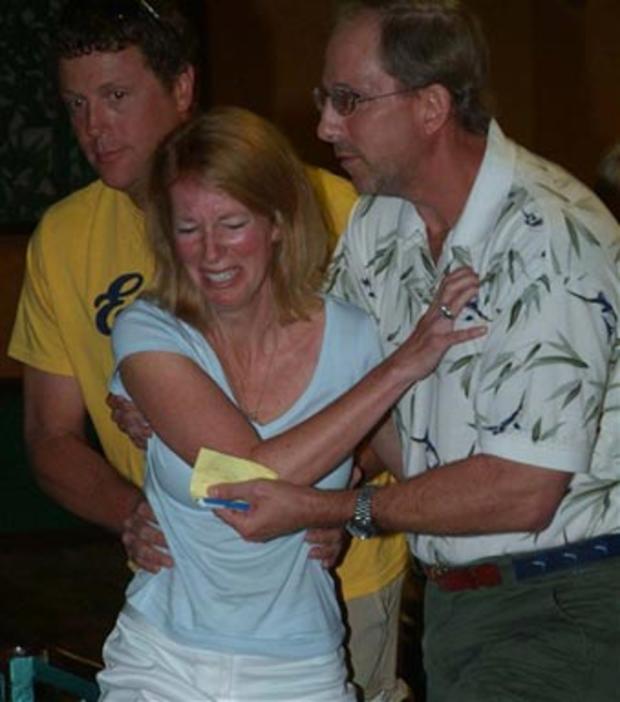
The most important lesson is not that a parent can prevent every danger with a stricter rulebook. Before Natalee left for Aruba, her mother, Beth Holloway, had reportedly attended planning meetings with her daughter and discussed underage drinking, chaperones and traveling with friends. Those precautions did not prevent the tragedy. That is a reason to improve communication and emergency planning—not to blame Natalee, her family or her classmates.
What the documentary brings back into focus
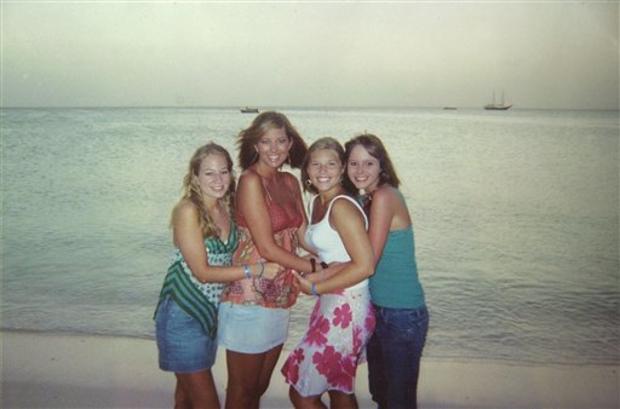
Netflix’s official description says Natalee vanished on May 30, 2005, during a high school graduation trip to Aruba, and that the series follows Beth’s long search for answers. Contemporary reporting adds an important detail: an Associated Press report published in December 2005 said Beth had done homework before allowing Natalee to travel. She attended planning meetings, Natalee attended them too, and they discussed underage drinking, chaperones and buddy travel.
That history complicates any simplistic claim that the family failed to plan. They had discussed safeguards; a terrible outcome followed anyway. The series is a retrospective of a specific case, not a general travel-safety manual. But it gives families a reason to discuss how they would respond if a young traveler stopped checking in.
For more on supervision and student travel, see our earlier article, why the series is sparking fresh debate about senior-trip safety rules.
1. Make the safety plan a conversation
Trip forms and itineraries matter, but they are not a substitute for talking directly with the teenager who will travel. Ask the student to explain where the group is staying, who is supervising, how students will move between locations, what the evening rules are and whom they should contact if plans change.
Invite questions without making a teenager feel that speaking up will automatically cancel the trip. A young person who can call home after making a mistake is more likely to seek help early. Make clear that safety comes before punishment or embarrassment.
2. Agree on a buddy system—and what happens if it fails
“Stay with a friend” is too vague. Agree that students leave venues together, confirm everyone has returned to the meeting point and never assume someone else has checked on a missing friend. If a buddy cannot be found, students should tell a chaperone or venue staff immediately—not split up to search alone.
A buddy system is one layer of protection, not a guarantee and not a replacement for adult supervision or emergency services.
3. Set check-ins and a clear escalation rule
Choose realistic check-in times and a backup method. Agree whether a text, call or family-group message counts as confirmation. Discuss what happens if a phone battery dies, mobile service is unavailable or a student changes location.
Location-sharing apps can help, but they are not a substitute for direct communication: phones lose power, service drops and location data can be delayed. Parents should know the accommodation’s address, the group leader’s number, the local emergency number and how to reach the tour operator after hours.
Agree in advance that if a student misses a required check-in and cannot be reached after the agreed attempts, the parent contacts the trip leader promptly. Do not wait until morning simply because the student is usually reliable.
4. Ask specific questions about chaperones
“There will be chaperones” is not enough. Ask how many adults are assigned, how duties are divided, whether students are supervised during free time, how nighttime rules work and who is on call in an emergency. Request the written safeguarding and missing-student procedure.
Families should know the itinerary, accommodation, transport arrangements, adult contact list, insurance details and whether students may leave the group. Organizers should explain how they account for students at transitions—leaving a restaurant, boarding transport, returning to a hotel or moving between activities.
5. Talk honestly about alcohol, nightlife and changing plans
Discuss alcohol, unfamiliar venues, late-night transportation and peer pressure without relying on fear-based lectures. Teenagers should know they can leave an uncomfortable situation, refuse a drink, ask staff for help or call a parent without first having to explain themselves.
Agree that students will not ride with someone they do not know or with a driver who may be impaired. Identify a trusted adult and backup ride arrangement. If the group changes venues, the trip leader should know where students are going and how they will return.
6. Teach students how to get help locally
Travelers should know the local emergency number and how to contact police, medical services, hotel security or the tour operator. Keep the accommodation address available offline, carry identification and emergency contacts, and know how to ask for help if language is a barrier.
Parents should know which U.S. consular service to contact during a serious emergency involving an American citizen overseas. Consular officials do not replace local responders, but can help families navigate certain situations. Review current destination guidance from the U.S. Department of State before departure.
7. Have a missing-student response plan before anyone leaves
A trip organizer should have a written plan identifying who takes charge, who contacts local authorities, who informs parents and the school, and who records the last confirmed location and timeline. Families should not be told to wait an arbitrary period before reporting a credible concern that a young person is missing or in danger.
Students should know exactly whom to approach if a friend does not return. They should not conduct a risky search themselves or confront a suspected person. Adults need accurate information quickly, and young people should understand that reporting a concern is the right thing to do.
8. Keep responsibility where it belongs
Safety advice can become harmful when it turns into hindsight blame. A buddy system, check-in schedule or chaperone plan may reduce some risks, but none can guarantee that a crime will not occur. Responsibility for a criminal act belongs to the person who commits it.
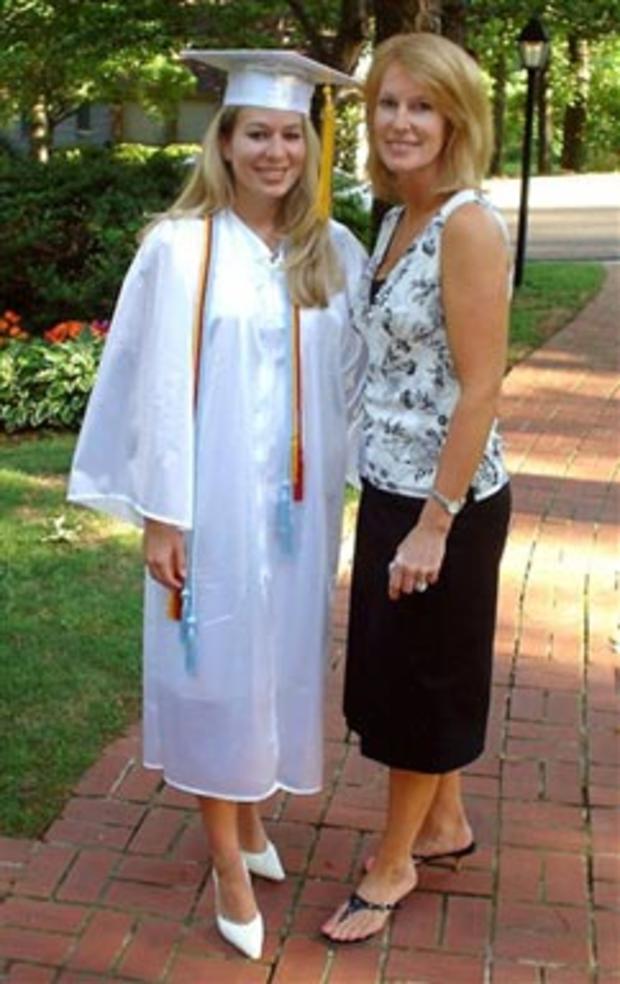
Natalee was 18 and entitled to dignity, privacy and the freedom to enjoy a graduation trip. Parents can teach situational awareness without implying that a victim caused or invited violence by making an ordinary decision. Prevention should improve systems and give young people options—not judge someone’s conduct after a tragedy.
A practical parent checklist before a school or graduation trip
- Get the full itinerary, accommodation address and transport plan.
- Know the lead chaperone, backup adult and after-hours contact.
- Ask how students are supervised during free time and at night.
- Agree on buddy arrangements, check-in times and how to report a change of plan.
- Save local emergency numbers and the organizer’s response procedure.
- Ensure the student has a charged phone, backup power and offline contacts.
- Discuss alcohol, unfamiliar rides, consent, peer pressure and how to leave an unsafe situation.
- Promise that the student can call for help without fear of immediate punishment.
- Ask what the organizer will do if a student misses a check-in.
- Review official destination travel guidance before departure.
What parents can take from the Netflix series
The AP’s 2005 reporting about the Holloways’ pre-trip discussions is an important part of the story: the family had already talked about chaperones, drinking and staying with friends. The lesson is not to search for a perfect rule that would have guaranteed a different outcome. No such guarantee exists.
The useful response is to make planning transparent, give teenagers a trusted way to ask for help, require organizers to explain supervision procedures and act quickly when a student cannot be accounted for. Parents should ask hard questions before a trip—not because young people should live in fear, but because clear expectations make independence safer.
Frequently asked questions
What should parents ask before a high school senior trip?
Ask for the itinerary, accommodation and transport details, chaperone assignments, free-time rules, check-in expectations, emergency contacts and the written missing-student procedure. Find out who is responsible overnight.
Should teenagers use a buddy system while traveling?
Yes, as one safety layer. Students should stay together, check that each person has returned and tell an adult immediately if someone is missing. It does not replace chaperones or emergency services.
Is location sharing enough to keep a teenager safe overseas?
No. Phones can lose power or service and location data can be delayed. Combine location sharing with scheduled check-ins, a known itinerary, adult contacts and a response plan.
Did Beth Holloway discuss trip safety before Natalee went to Aruba?
An Associated Press report published in December 2005 said Beth and Natalee attended planning meetings and discussed underage drinking, chaperones and buddy travel. Natalee disappeared despite those precautions.
Can a parent safety plan guarantee a student will be safe?
No. Planning can reduce some risks and support a faster response, but it cannot prevent every crime or emergency. Responsibility for a crime belongs to the person who commits it.
Sources and further reading
- Associated Press (December 24, 2005): Beth Holloway’s advice to students and the safety discussions before Natalee’s senior trip.
- Netflix Tudum: Official background on Taken: Natalee Holloway.
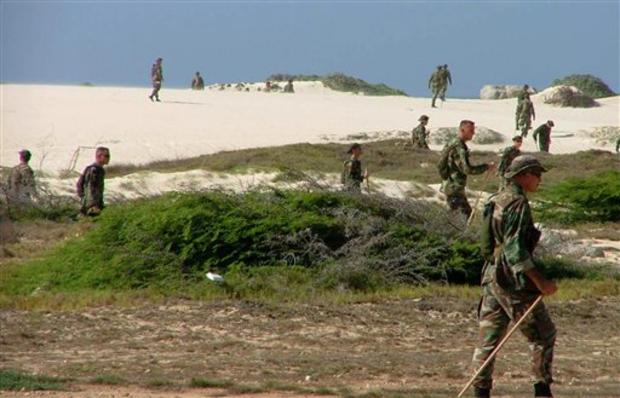
- CBS News/AP photo archive: Natalee Holloway and the 2005 search in Aruba.
- ABC News: Timeline of Natalee Holloway’s disappearance and later legal proceedings.
- U.S. Department of State: International travel information and destination advisories.
Editorial note: This article offers general planning ideas, not a guarantee of safety or a substitute for official school, tour-operator or government guidance. Historical facts about the Holloway family’s pre-trip discussions are attributed to contemporary AP reporting.