
By Shivam Das
Netflix’s Taken: Natalee Holloway makes a striking promise in its official description: exclusive, unprecedented access to Beth Holloway and people who were with Natalee when she disappeared. The three-part series also draws on interviews with investigators, never-before-seen footage and previously unreleased audio connected to the family and the FBI. Those elements give the documentary a broader evidentiary base than a retelling built only from archival news clips and familiar public statements.
But there is an important distinction between describing the access the series secured and claiming to know exactly how its producers secured it. Netflix and Story Syndicate have publicly identified the participants, the production company, the directors and the kinds of material included. They have not published a detailed account of the negotiations, the length of the reporting process, the precise terms of access or every restriction placed on the filmmakers. The responsible answer, therefore, is to examine what is documented—and what remains private.
What Netflix means by “unprecedented access”
Netflix’s Media Center describes Taken: Natalee Holloway as a three-part documentary from Story Syndicate and directors Dani Sloane and Matthew Galkin. Its synopsis says the filmmakers received exclusive access to Beth and people who were with Natalee when she vanished. Netflix Tudum adds that the series includes access to investigators and never-before-seen footage. These are specific production claims, not a blanket statement that every person connected to the case participated or that every record was made available.
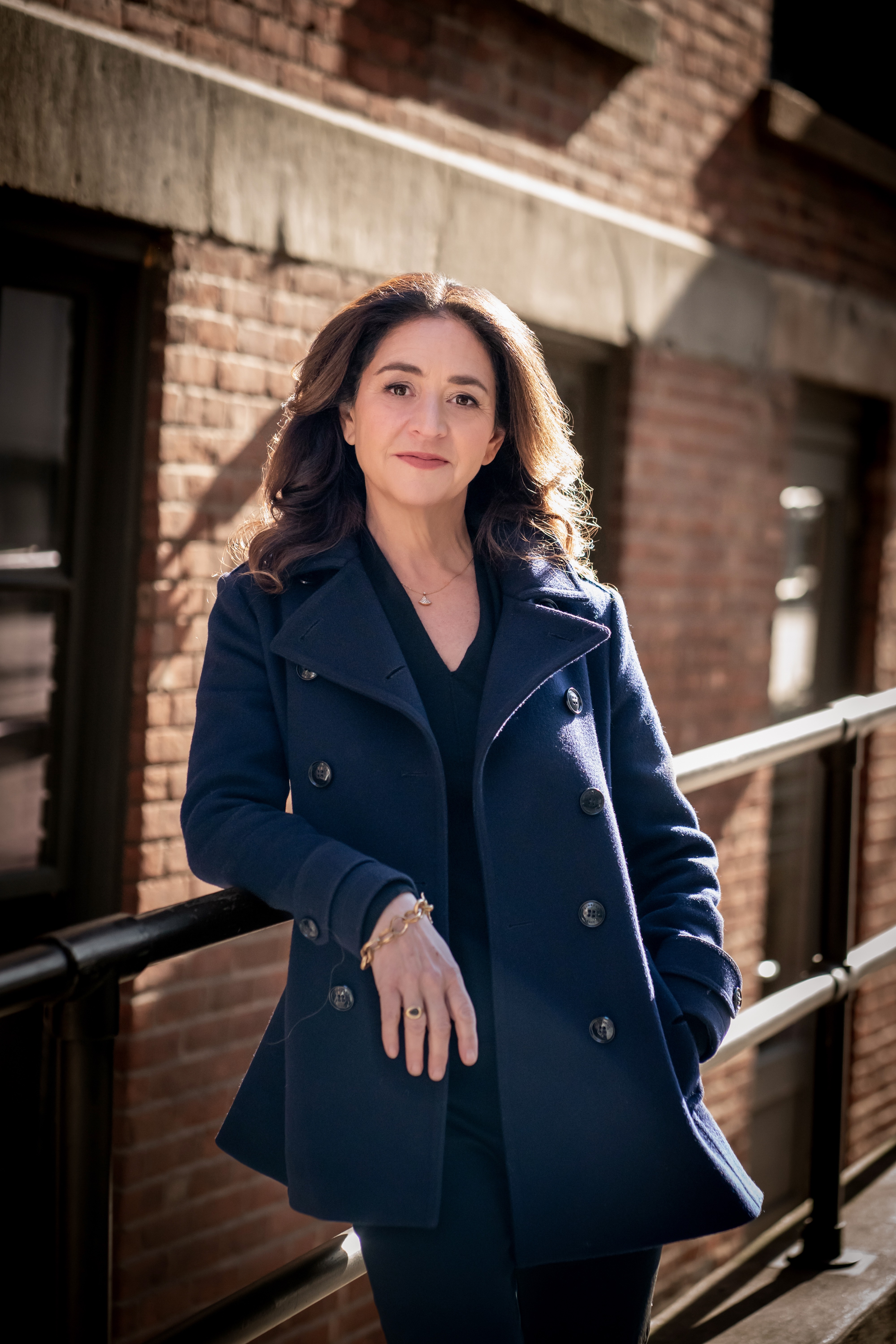
The word “access” can cover several different things in documentary filmmaking. It may mean permission to conduct new interviews, cooperation from people who have rarely spoken publicly, access to private or previously unaired recordings, or the ability to review material that was not part of earlier television coverage. In this case, Netflix’s own descriptions confirm several of those categories: Beth’s participation, interviews with people close to Natalee, interviews with investigators, and newly presented archival material.
That matters because Natalee’s disappearance was already one of the most heavily covered missing-person cases in the United States. A new series could not simply rely on the fact that the public had heard the basic timeline before. Its editorial value would depend on what participants were willing to revisit, what records could be authenticated, and whether the filmmakers could place familiar events into a fuller chronology.
Why Beth Holloway’s participation changed the scale of the project
Beth Holloway is the emotional and narrative center of the series. Netflix said in its December 2025 announcement that she would tell the story on camera for the first time. The later official synopsis describes her as ready to tell the complete story more than 20 years after Natalee disappeared. That is a major form of access in itself: the person who spent two decades pursuing answers is not merely represented through old press conferences or other people’s recollections; she participates directly in the documentary.

Timing also appears central to Beth’s decision. In a November 2026 interview with Netflix Tudum, she explained that the 2023 admission gave her a conclusion she had not previously had. She said she wanted a comprehensive, conclusive and chronologically ordered account—something she felt had not been done before. That statement helps explain why a full-length documentary became possible at this point, but it does not establish when the production company first approached her or how long discussions took.
Her participation gives the series a first-person thread through the investigation, the years of uncertainty and the aftermath of the confession. It also creates a responsibility for the filmmakers: Beth’s perspective is essential, but it must be distinguished from court records, official findings and the accounts of other participants. A family member’s recollection can explain the human consequences of a case without, by itself, resolving every disputed factual question.
The people whose participation widened the record
Netflix Tudum’s November 5 guide identifies a range of interviewees. Alongside Beth, the series includes Natalee’s friends Madison Greer and Claire Fierman; Beth’s attorney John Q. Kelly; Beth’s friend Sue Remick; Aruban businessman Charles Croes, who helped with the early search; Aruban journalist Dilma Arends Geerman and cameraman Tony Zumbado; former Aruban deputy police chief Gerold Dompig; and retired FBI agents Alexandra Montilla and Michael Leverock.
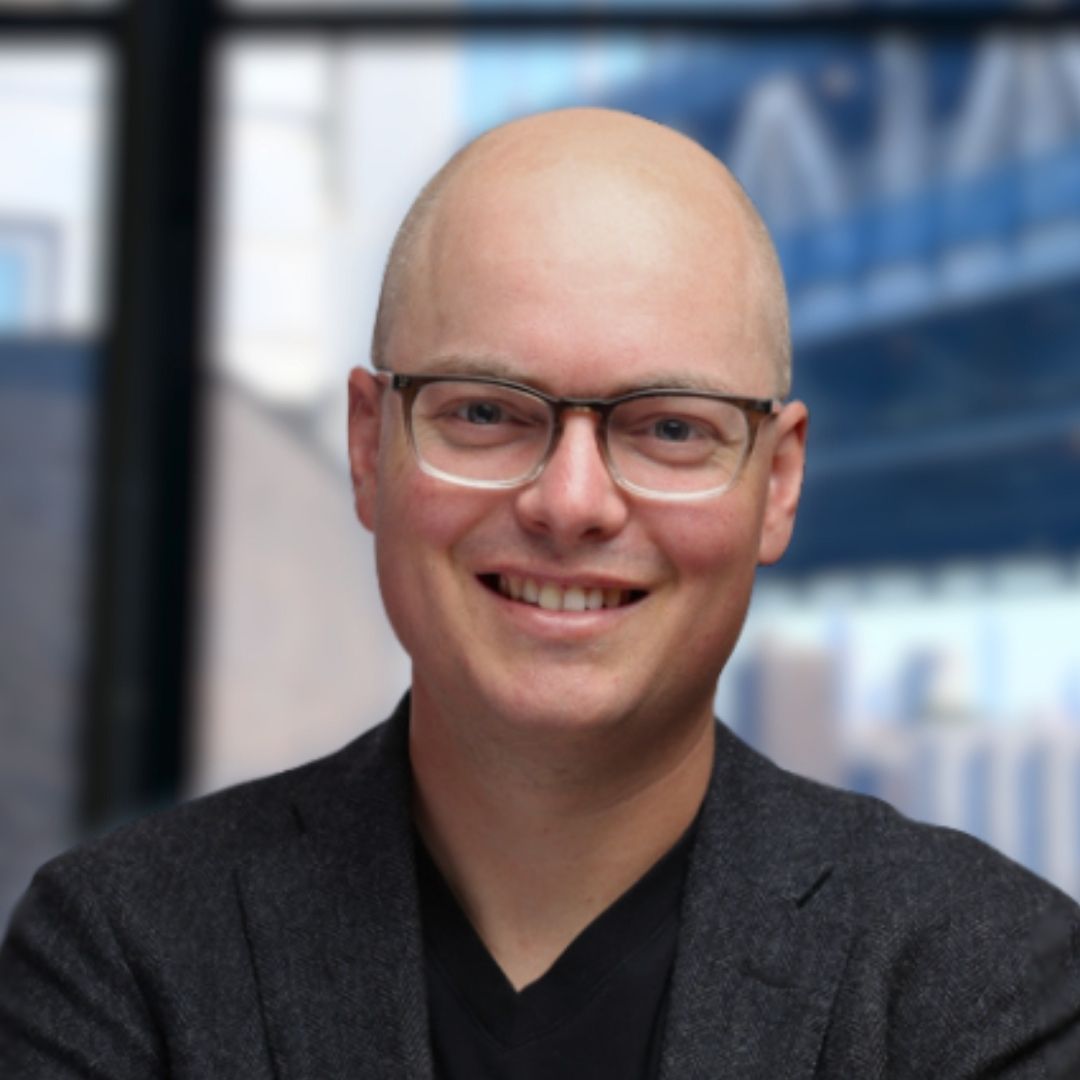
This range is important. Friends can speak to Natalee’s life and the final trip; journalists can explain how information circulated; investigators can discuss the official inquiry; and the attorney can describe the 2010 effort that later became part of a U.S. federal case. Those perspectives do not all carry the same evidentiary weight, but together they allow the series to examine how the story was experienced, reported and investigated.
Dompig’s participation is particularly notable because Tudum says he speaks about the case publicly for the first time in 20 years. That is a precise claim about his public participation, not proof that every aspect of the investigation is newly revealed. The distinction matters: a documentary can add important testimony while still leaving gaps in the public record.
Why the FBI material is a defining part of the access
One of the clearest examples of newly available material is footage from the 2010 FBI operation involving Joran van der Sloot. Netflix Tudum says the series includes footage from an operation aimed at bringing him to the United States to face charges, and that the material had not previously been publicly released. The operation followed van der Sloot’s offer to Beth’s attorney, John Kelly, to provide information about Natalee’s remains in exchange for money.
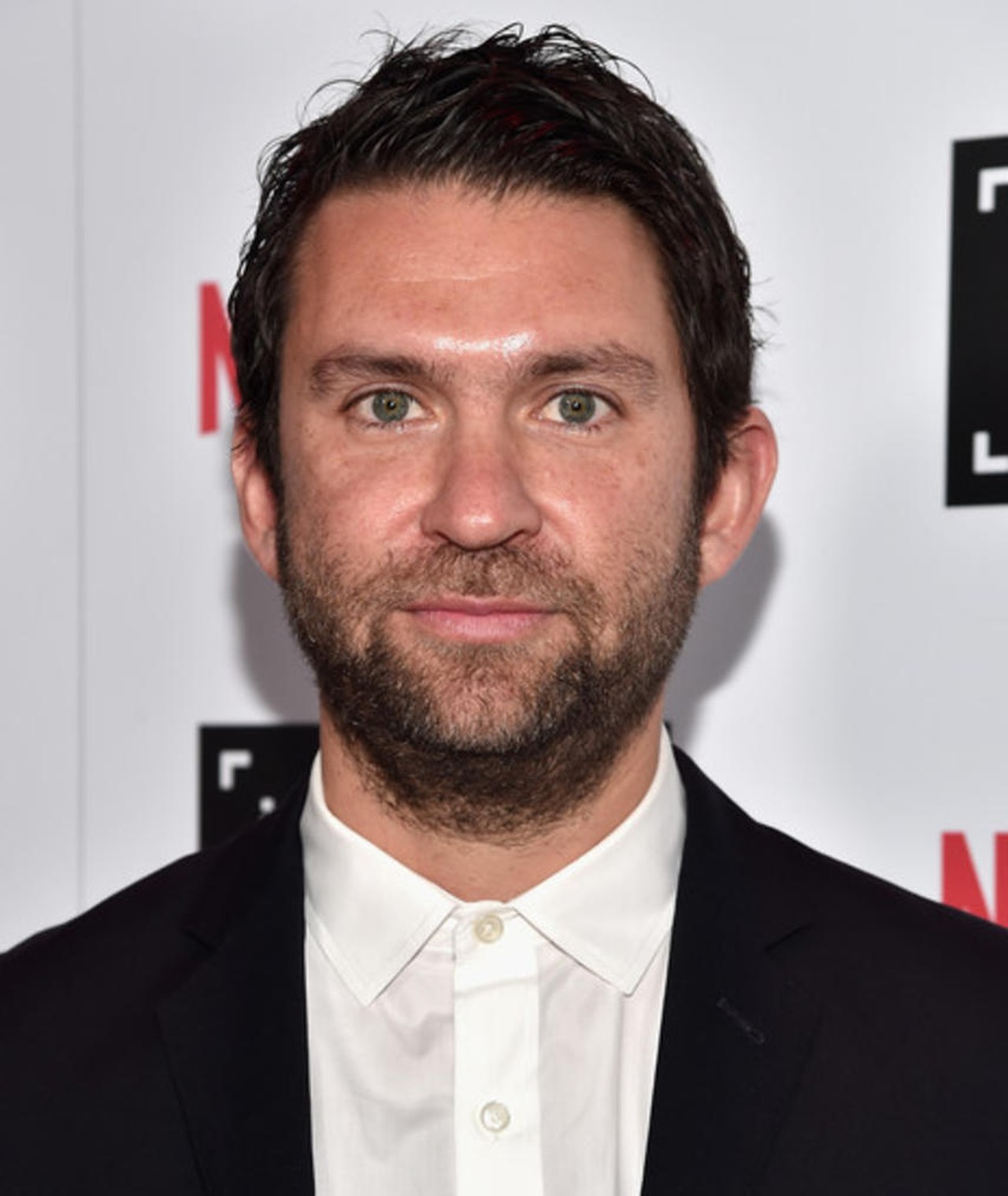
The footage is significant because it lets viewers examine a recorded interaction rather than depend entirely on later summaries. It should not be mistaken for proof that van der Sloot’s account of Natalee’s location was true. The location story he supplied did not lead investigators to her remains. The recording’s value is that it documents the encounter and helps explain the extortion investigation; it does not solve the question of where Natalee’s body is.
Van der Sloot pleaded guilty in the United States in October 2023 to extortion and wire fraud connected to his attempt to obtain money from the Holloway family. During those proceedings, he gave an account admitting that he killed Natalee. The U.S. federal conviction was for extortion and wire fraud, not a murder conviction for Natalee’s death. That legal distinction should remain clear when discussing the footage and the series.
Who is Story Syndicate—and what does the company bring?
Story Syndicate is a New York-based film and television production company founded in 2019 by documentary filmmakers Liz Garbus and Dan Cogan. Its official website describes the company as a home for filmmakers, producers, journalists and other storytellers working across nonfiction and scripted projects. The company’s leadership includes people responsible for documentary development, production operations and creative execution.

For this series, the credited executive producers are Liz Garbus, Dan Cogan, Jon Bardin, Dani Sloane and Tommy Coriale. Sloane and Matthew Galkin directed the three episodes. Those credits show how the project was organized at the senior creative and production level. They do not, on their own, reveal which individual negotiated each interview, obtained a particular recording or made a specific editorial decision.
Story Syndicate’s wider documentary experience provides useful context for the project. Its official team biographies describe work across investigative documentaries, limited series and character-driven nonfiction. The company’s prior credits include The Innocence Files, I’ll Be Gone in the Dark, Harry & Meghan and other projects. That track record helps explain why Netflix selected an established nonfiction producer, but it should not be treated as evidence of the precise methods used to secure access in the Holloway case.
What the public record does—and does not—tell us about securing access
There is no public production diary or detailed account from the filmmakers explaining the first contact with Beth, the interview schedule, the negotiations with investigators, or the terms governing the FBI material. No reliable source reviewed for this article establishes how many months or years the production team spent obtaining each participant’s cooperation. It would be misleading to invent a behind-the-scenes story about private meetings, exclusive contracts or a specific investigative source.
What can be said with confidence is narrower and more useful. Netflix announced the project in December 2025, identifying Story Syndicate as the producer and Sloane and Galkin as directors. The streamer described the planned inclusion of Beth’s first on-camera account, previously unreleased family and FBI audio, and never-before-seen footage. By the time the series premiered on November 4, 2026, Netflix’s official materials described access to Beth, people who were with Natalee, and investigators. The published interview list shows that the finished series includes people with different relationships to the case.
That public timeline documents the result of the access effort, not the private process that produced it. The most accurate explanation is that Story Syndicate assembled a combination of first-person testimony, investigative perspectives and archival material for a three-part account. The details of how the production team persuaded each person or institution to participate have not been publicly disclosed.
Access is not the same as independent verification
Exclusive access can make a documentary more revealing, but it does not make every statement in it automatically true. A recorded interview is evidence that a person made a statement; it is not necessarily proof that the statement is accurate. A newly released recording may be authentic while containing a false claim. A source’s willingness to participate does not remove the need to compare testimony with court documents, official statements and other independently verifiable records.
That standard is especially important in Natalee’s case. Her remains have not been recovered. The 2023 admission gave Beth information about what van der Sloot said happened, but it did not locate Natalee’s body or produce a U.S. murder conviction. The series can provide a more complete account of the search and the people involved while still acknowledging what remains unresolved.
The strongest measure of the production’s access is therefore not simply the word “exclusive.” It is the range of people and materials the audience can now hear and see, the clarity with which the series identifies their roles, and whether its claims remain consistent with the established record. On those terms, the documented access is substantial. The private negotiations behind it remain private.
What viewers can take from the series
Taken: Natalee Holloway is not just another chronological recap of the 2005 disappearance. Its central contribution is the combination of Beth’s first-person account, testimony from people close to Natalee, investigators’ perspectives and material connected to the FBI operation. The series also arrives after the 2023 admission, allowing the story to be told with a major development that earlier documentaries could not include.
But the documentary’s value should not be exaggerated into a claim that every question has been answered. Natalee’s remains have not been found, and the legal status of her death is distinct from van der Sloot’s U.S. extortion and wire-fraud conviction and his Peruvian conviction for the murder of Stephany Flores Ramírez. The most responsible viewing approach is to appreciate the new testimony while keeping those limits in view.
The answer to how Story Syndicate obtained unprecedented access is partly visible on screen: Beth agreed to tell her account, people from different parts of the investigation took part, and previously unseen FBI material was included. The rest—the conversations, permissions and production arrangements behind those contributions—has not been detailed publicly. That is the boundary between a well-supported account of the documentary and speculation about its making.
Frequently asked questions
Who produced Taken: Natalee Holloway?
The three-part Netflix documentary was produced by Story Syndicate. Its executive producers are Liz Garbus, Dan Cogan, Jon Bardin, Dani Sloane and Tommy Coriale.
Who directed the Natalee Holloway Netflix documentary?
Dani Sloane and Matthew Galkin directed the three-part series, which premiered on Netflix on November 4, 2026.
What does Netflix mean by unprecedented access?
Netflix describes exclusive access to Beth Holloway and people who were with Natalee when she disappeared. The series also includes interviews with investigators, never-before-seen footage and previously unreleased audio connected to the family and the FBI.
Did Beth Holloway participate in the documentary?
Yes. Netflix said Beth tells the story on camera for the first time in the series. In a November 2026 Tudum interview, she said the 2023 admission gave her a conclusion and made it possible to tell a comprehensive chronological account.
Does the series include previously unseen FBI footage?
Yes. Netflix Tudum says the series includes footage from a 2010 FBI operation involving van der Sloot that had not previously been publicly released.
Has Story Syndicate explained exactly how it secured the interviews?
No detailed public account of the negotiations, interview arrangements or access agreements was found in the sources reviewed. The available sources document who participated and what kinds of material the series includes, but not the private process behind each contribution.
Was Joran van der Sloot convicted of Natalee Holloway’s murder in the United States?
No. He pleaded guilty to U.S. federal extortion and wire-fraud charges in 2023 and gave an account admitting that he killed Natalee. Those federal convictions were not for her murder. He was separately convicted in Peru for the murder of Stephany Flores Ramírez.
Where can viewers find the official information about the series?
Netflix’s official Media Center page and Tudum series guide provide the synopsis, production credits, participant information and release details.
Sources and further reading
- Netflix Media Center: Taken: Natalee Holloway — official synopsis and access description
- Netflix Tudum: Series overview, interviewees, FBI footage and Beth Holloway interview
- TheWrap: Netflix’s December 2025 announcement and production credits
- UPI: Netflix announcement, newly released footage and archival audio
- Story Syndicate: Official team biographies and company background
- Story Syndicate: Official company website
- MUBI: Matthew Galkin profile
Editorial note: This article distinguishes publicly documented production credits and access claims from undisclosed behind-the-scenes negotiations. It does not claim that the filmmakers have published a complete account of how every interview or recording was obtained.