
More than two decades after Natalee Holloway disappeared during a graduation trip to Aruba, one question remains painfully concrete: could her remains ever be found? The 2026 Netflix documentary Taken: Natalee Holloway revisits the disappearance and Joran van der Sloot’s 2023 confession, but Natalee’s remains have still not been recovered. A future discovery cannot be ruled out in the abstract. Whether it is realistic depends on the exact disposal location, ocean movement, the passage of time, and whether investigators obtain a reliable, testable lead.
The most responsible answer is neither a promise nor a categorical impossibility. Specialists interviewed by A&E in 2026 described the formidable obstacles to finding remains in a marine environment, while discussing scientific methods that can sometimes detect biological traces in water. Those possibilities are not evidence that a new search is underway or that a location has been identified.

What the 2023 confession says—and what it does not
Van der Sloot pleaded guilty in October 2023 to U.S. federal extortion and wire-fraud charges connected to his attempt to obtain money from Natalee’s mother, Beth Holloway, in exchange for information about her daughter. During the proceedings, he described killing Natalee on an Aruba beach and putting her body into the sea. The account gave Beth information about the circumstances of her daughter’s death, but it did not lead authorities to recover her remains.
A confession can describe an alleged sequence of events without supplying precise coordinates, a recoverable object, or independent physical corroboration. Ocean conditions, the time elapsed, and uncertainty about the exact location all complicate any effort to turn a narrative into a search plan. The Associated Press reported in October 2023 that Natalee’s remains had not been found. Netflix’s November 2026 documentary coverage also confirms that they have never been recovered.
Beth has said the confession ended the nightmare of not knowing what happened to her daughter. That emotional and factual answer is not the same as physical recovery or forensic identification.

Why finding remains in the ocean is so difficult
A marine search is not simply a circle drawn around a beach. The search area depends on the accuracy of the last-known location, the time of entry into the water, currents, tides, wave action, depth, seabed features, and the condition of the remains. Each unknown can expand the area that would need to be examined.
A&E’s 2026 report spoke with forensic and search specialists. Forensic scientist Magni explained that water movement and decomposition can make recovery increasingly difficult. Retired environmental consultants Gene and Sandy Ralston, who have assisted law-enforcement searches, described the odds of locating remains after so many years as extremely low if they entered the ocean and were carried away from the original area.
That is an expert assessment of the general difficulty of a late marine recovery—not a case-specific mathematical probability or proof that recovery is impossible.
Could environmental DNA help?
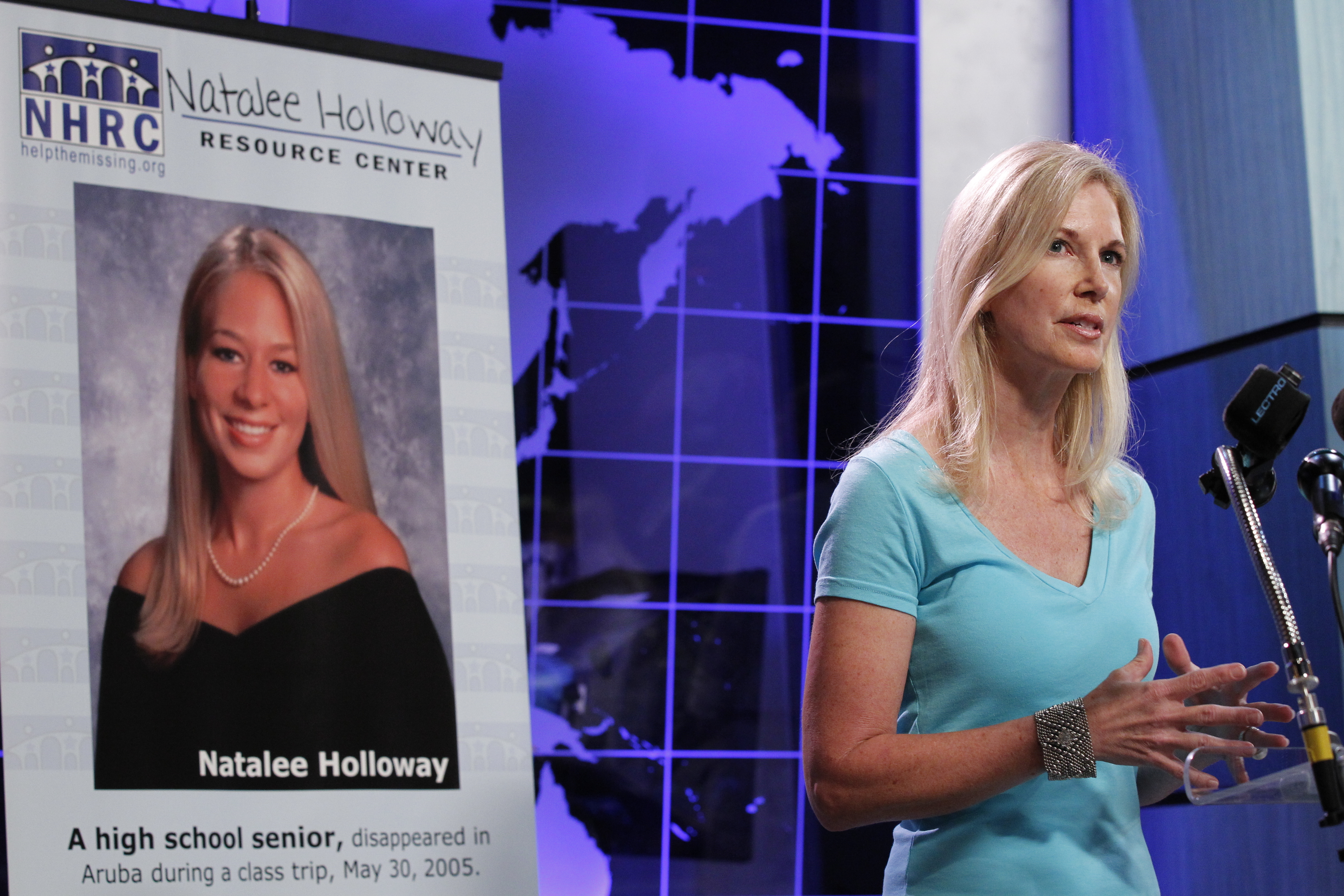
One possibility discussed in the A&E report is environmental DNA, or eDNA. The method looks for genetic material organisms leave in their surroundings, including traces that can sometimes be collected from water or sediment. In some investigations, environmental sampling helps determine whether biological material may be present in an area.
But eDNA is not a locator. A water sample cannot by itself identify an exact body location or establish how remains moved. Results depend on sampling design, currents, environmental conditions, contamination controls, reference DNA, and laboratory validation. A positive signal would require careful interpretation and follow-up; a negative sample would not prove remains were never in that area.
Magni told A&E that environmental DNA could be considered in extreme circumstances. That is an expert discussion of a possible forensic tool—not confirmation that authorities have launched eDNA testing in a new Natalee Holloway search. No official source cited here announces such an operation or identifies a new search zone.
Why earlier false leads matter
The case has a documented history of misleading claims about supposed evidence. In February 2023, Aruba’s Public Prosecutor’s Office said an investigation conducted with the FBI into information circulated by American journalist Greta Van Susteren did not help solve Natalee’s disappearance. Authorities said a package containing clothing and a shoe allegedly connected to Natalee did not withstand forensic scrutiny: DNA did not match Natalee or van der Sloot, and the shoe was counterfeit and likely made years after the disappearance.
The prosecutor’s office also said photographs and videos supplied as purported evidence had been manipulated or taken from public sources. An image of human bones said to be Natalee’s remains came from material already online, including a newspaper story about a landfill in Costa Rica. The lesson is clear: an image of bones, a social-media post, or an anonymous tip is not proof of identity or location.
Any future recovery claim needs a traceable chain of custody, documented collection circumstances, appropriate forensic testing, and confirmation from competent authorities. Until then, online claims about newly discovered remains or a secret burial site should be treated cautiously.
What changed in the legal picture in 2026?
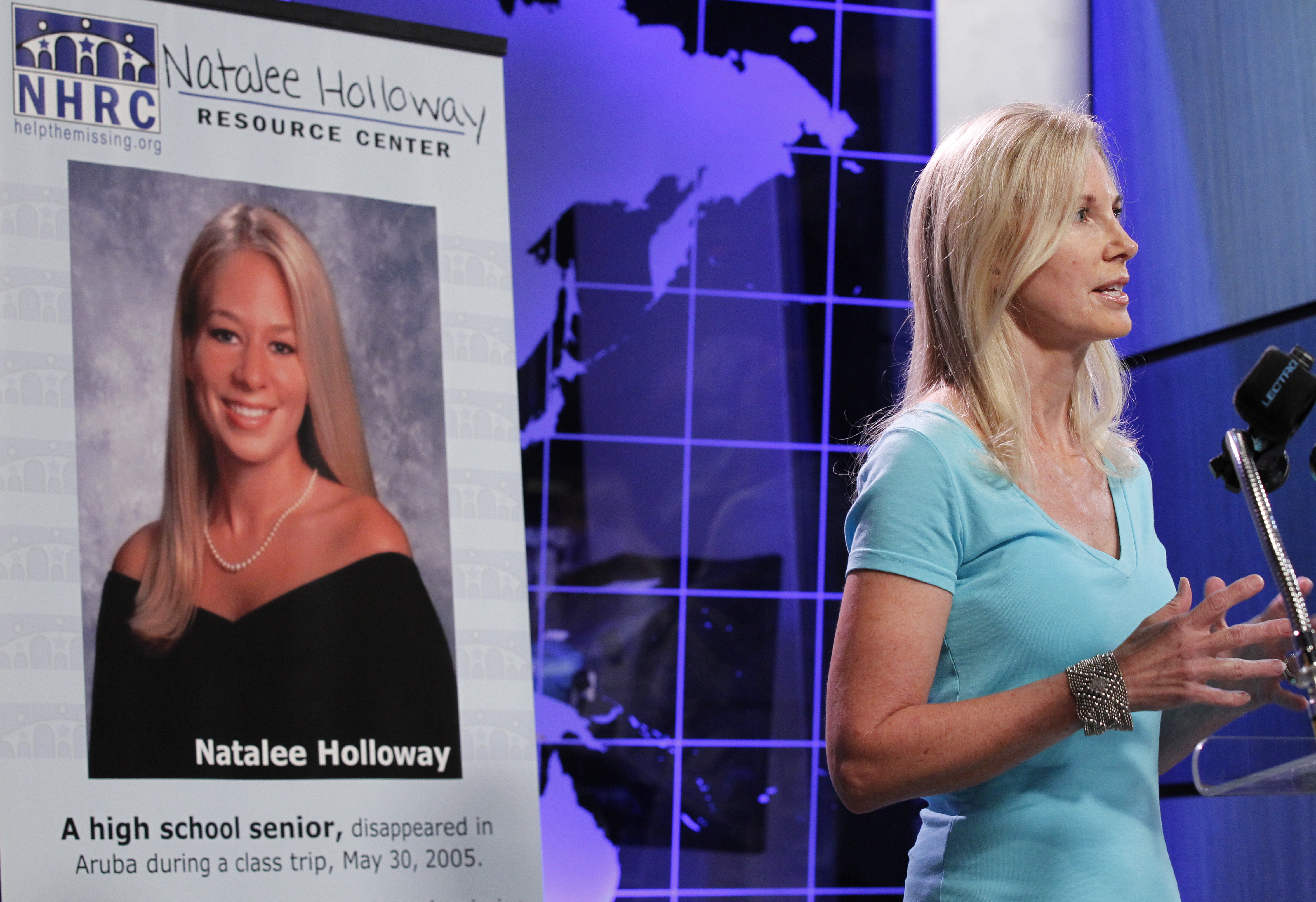
On April 2, 2026, the Netherlands Public Prosecution Service reported that Aruba’s prosecution service had offered to provide the full Aruban case file to prosecutors in Amsterdam. Beth Holloway had filed a complaint alleging murder and/or manslaughter against van der Sloot in the Netherlands.
The official update also contains an important qualification: after reviewing documents received from the U.S. Department of Justice in January 2026, Aruba’s prosecution service said it did not at that stage have sufficient evidence for murder or qualified manslaughter charges. It said manslaughter prosecution was time-barred in Aruba, while prosecution in the Netherlands remained possible in principle. Dutch authorities were to use the file to assess the complaint.
This legal development is not a new physical search. The announcement concerns case records and a complaint, not newly located remains, a confirmed ocean-search operation, or a forensic breakthrough.
What could make a future recovery more plausible?
A credible new effort would need more than a general hope that the ocean might provide an answer. Potentially useful developments could include a verifiable witness account, a previously unavailable record narrowing the disposal area, reliable information about a particular seabed location, or a scientifically testable trace. Authorities would then need to assess whether the lead is concrete enough to justify a targeted search.
Such work could require marine specialists, suitable vessels, sonar or other underwater equipment, trained recovery personnel, and forensic experts. The right method would depend on depth, seabed conditions, the lead, and local permissions. Locating material and identifying it are also separate steps: recovered material would need testing to establish whether it is human and whether it can be identified as Natalee’s.
What the documentary leaves viewers asking
The documentary gives viewers a fuller account of the disappearance, investigation, and confession, but it cannot replace physical evidence that has never been recovered. The remaining questions include where exactly the killing and disposal occurred, how much of van der Sloot’s account can be corroborated, whether any reliable physical trace remains, and whether a new lead could narrow the search enough to make another operation worthwhile.
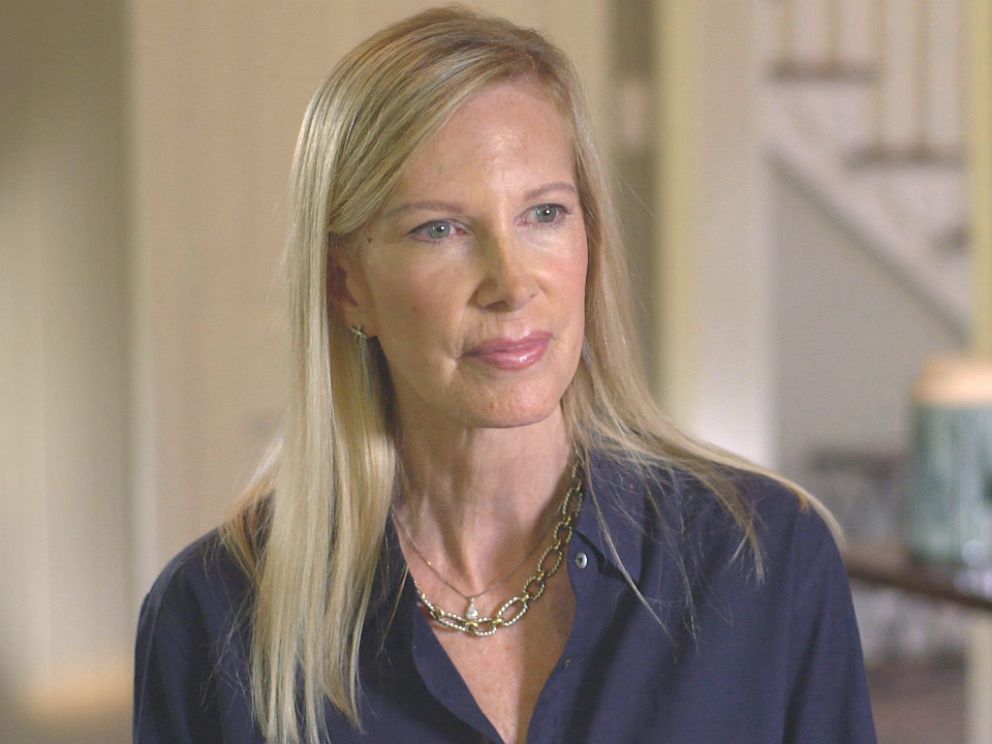
It is important to respect Beth Holloway’s distinction between learning what happened and recovering her daughter. In Netflix’s November 2026 interview, she said the uncertainty about Natalee’s fate had ended for her after the confession, even as she continued pursuing legal accountability in the Netherlands. Families may define answers and closure differently; physical recovery is not the only measure of whether a family has received meaningful information.
So, could Natalee Holloway’s remains still be found?
It cannot be ruled out with absolute certainty, but public evidence does not support promising that Natalee’s remains will be recovered. The ocean presents formidable search and forensic challenges, and experts interviewed in 2026 described the odds as extremely poor if the remains entered the sea and were dispersed. Environmental DNA may offer a tool in carefully targeted circumstances, but no public announcement cited here confirms that a new search is underway.
The verified position is straightforward: Natalee’s remains have not been found. Van der Sloot’s 2023 account gave Beth information about how her daughter died, but it did not produce a recovery. Aruba’s official review of a later false-lead investigation also shows why any future claim must be tested against forensic evidence. Until authorities announce a verified discovery, recovery remains an open possibility—not a confirmed breakthrough.
Sources and further reading
- A&E Crime + Investigation: Could Natalee Holloway’s remains still be found more than 20 years later? (2026) — experts on marine recovery and eDNA.
- Associated Press: Van der Sloot’s 2023 confession and Beth Holloway’s response.
- Netflix Tudum: Taken: Natalee Holloway documentary background.
- Public Prosecutor’s Office of Aruba: Official findings on the false-lead investigation.
- Netherlands Public Prosecution Service: Aruba offers the case file to Amsterdam prosecutors, April 2, 2026.
Editorial note: This article distinguishes expert opinion and hypothetical forensic possibilities from confirmed investigative activity. It will be updated if authorities announce a verified search, court development, or forensic discovery.