
By Shivam Das
The Netflix docuseries Taken: Natalee Holloway has reopened a painful question from the night the 18-year-old Alabama student disappeared in Aruba: why did the people around her not stop her from leaving a nightclub in a car with men they had only recently met? Some viewers have responded by criticizing Natalee’s friends, arguing that they should have intervened or made sure she reached her hotel safely.
That reaction is understandable as an expression of shock. It is also a moment when hindsight can distort what people could reasonably have known at the time. The friends’ recollections, as presented in the series and reported by outlets covering it, describe a confusing late-night situation in which ordinary assumptions about local transportation and the group’s understanding of the men shaped their response. None of that makes the outcome less devastating. But it does matter when assigning responsibility.
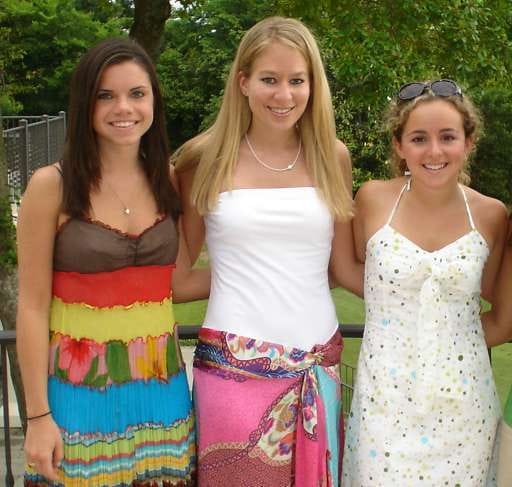
Why viewers are questioning the friends’ decision
In the documentary, friend Madison Greer recalls that she and others were not immediately alarmed when Natalee was seen leaving in a car with Joran van der Sloot and brothers Deepak and Satish Kalpoe. Reporting on the series says Greer explained that taxis in Aruba were not always clearly marked, and she believed Natalee may have understood the men to be local drivers who could take her back to the hotel.
That detail is central to the online criticism. To viewers watching years later, the combination of an unfamiliar group, a late hour and a young woman leaving without the rest of her friends can look like an obvious danger signal. Some have argued that a friend should have accompanied her, called a taxi, or insisted on confirming the destination.
Those are reasonable safety practices to discuss. But the documentary’s reconstruction is not evidence that the friends knowingly left Natalee with people they understood to be dangerous. The distinction between what viewers know now and what the group believed then is essential.
What the friends said — and what the record does not establish
The accounts described in coverage of Taken indicate that Natalee was in a celebratory mood and that the departure did not trigger the level of alarm that would later seem obvious. The friends had met the men during the night out. Greer’s recollection, as reported by the press, was that the group did not interpret the car as an immediate threat because they believed it could be a ride back to the hotel.
That is a recollection, not a complete minute-by-minute record of every conversation or decision made outside the club. The available reporting does not establish that every friend saw the same thing, understood the same facts, or had the same opportunity to intervene. Nor does it justify turning a complex and traumatic event into a simple verdict on a group of teenagers.
It is also important to be precise about the men involved. Natalee was last seen leaving the nightclub in a car with van der Sloot and the Kalpoe brothers. The brothers were never prosecuted in connection with her disappearance. Van der Sloot later admitted in a 2023 proffer agreement that he killed Natalee, according to Netflix’s reporting on the series. He pleaded guilty in the United States to extortion and wire fraud related to his attempt to obtain money from Natalee’s family; those federal convictions were not a murder conviction for Natalee’s death.

The danger of judging a 2005 decision with 2026 knowledge
Viewers have information the friends did not possess in that moment: the full history of van der Sloot’s statements, the investigation that followed, the years of public reporting, and his eventual admission. That knowledge changes how the scene feels. It does not mean the friends had access to the same facts when they watched Natalee leave.
Hindsight bias can make an outcome seem predictable after it has happened. In true-crime coverage, that bias can become victim-blaming: attention shifts from the person who committed the violence to the choices made by the person harmed or by people nearby. Questions about safety are legitimate, but they should not imply that Natalee caused what happened to her or that her friends bear responsibility for a crime they did not commit.
A fair reading can hold two thoughts at once. Friends can learn from the tragedy and talk openly about safer group-travel habits. At the same time, responsibility for the killing belongs to the person who committed it. A young woman’s decision to accept a ride, and her friends’ failure to foresee the danger, do not transfer that responsibility.
What the documentary adds to the conversation about friendship and safety
Taken: Natalee Holloway includes interviews with Natalee’s friends as well as her mother, investigators, journalists and people involved in the search. Netflix describes the three-part series as a fuller account of the case, built around access to people closest to Natalee and previously unseen material. That range of perspectives matters because the friends are not merely characters in a viral clip; they are people who lived through the disappearance and its aftermath.
The series also shows how public attention can turn people adjacent to a tragedy into targets. The friends were young when Natalee disappeared. In the years that followed, public discussion often reduced the story to arguments about what she wore, what she drank, who she spoke to, and whether her friends should have done more. Those questions can eclipse the central fact: Natalee disappeared after leaving a nightclub, and the man who later admitted killing her was responsible for his actions.

What can be learned without blaming the victim or her friends?
For students and young travelers, the practical lessons are straightforward: agree on a return plan before going out; use a clearly identified, trusted ride; leave together when possible; tell someone where you are going; and check that everyone has reached their destination. If a situation feels uncertain, pause and verify rather than relying on assumptions about who is offering a ride.
These precautions are useful because they reduce risk, not because they guarantee safety. No checklist can eliminate the possibility that another person will choose to cause harm. Safety advice should empower people without suggesting that someone who did not follow every precaution is responsible for being victimized.
The same principle applies to the friends’ story. It is fair to ask what they remember, what they understood, and how the group’s decisions were made. It is not fair to treat a tragic outcome as proof that they knowingly abandoned Natalee to danger. The public record and the documentary excerpts discussed in current reporting do not support that sweeping accusation.
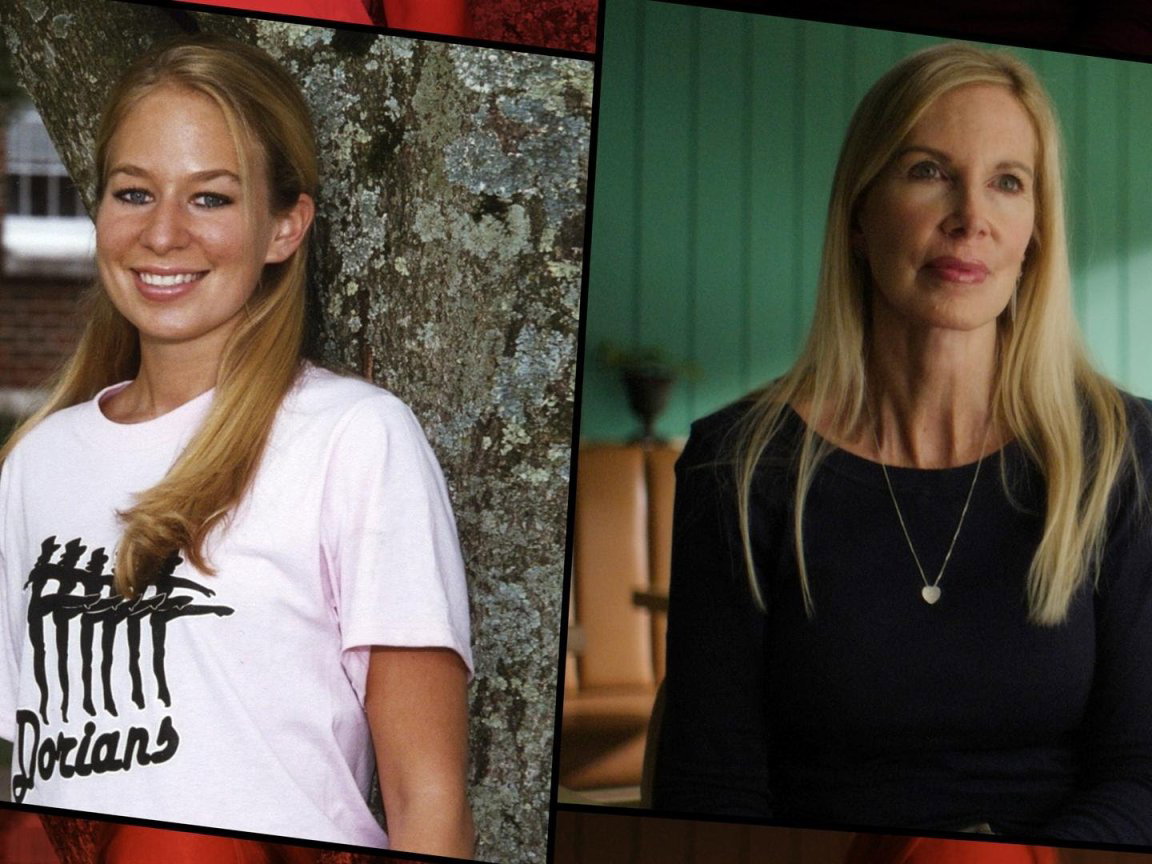
Why the conversation should return to Natalee
There is a reason the friends’ recollections have become a focus of discussion: they help reconstruct the final known hours of Natalee’s life. But they should be treated as testimony about a frightening night, not as an invitation to conduct a trial of the people who were beside her. The most responsible coverage distinguishes confirmed facts, personal recollections and online speculation.
Natalee was 18, preparing to begin college and looking forward to her future. Netflix’s account notes that she had earned a full academic scholarship to the University of Alabama and dreamed of becoming a doctor. Remembering those details helps restore the person behind the case name. She was not simply the subject of a debate about nightlife decisions.
The anger viewers feel is best directed at the violence that ended her life and at the long unanswered questions that followed. The friends’ choices can be examined with care, but the story should not end with a pile-on against young people who could not know what viewers know now.
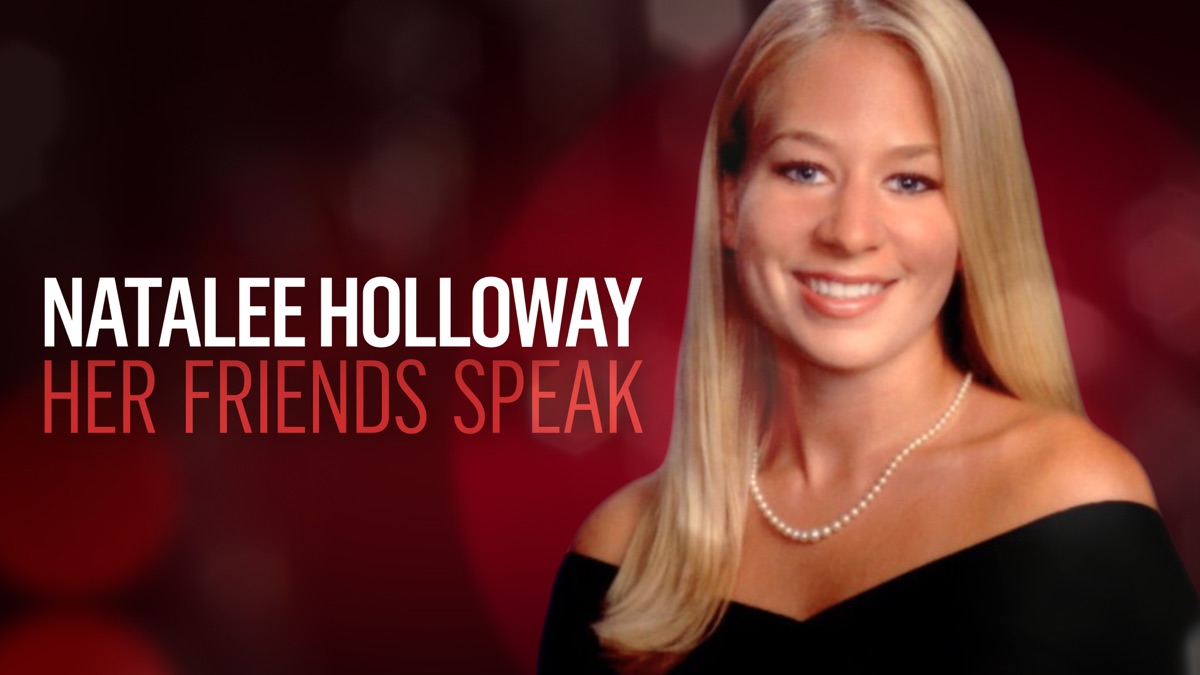
Frequently asked questions
Why are viewers criticizing Natalee Holloway’s friends?
Some viewers believe the friends should have intervened when Natalee left a nightclub in a car with men she had recently met. The documentary-related accounts reported publicly say the group did not interpret the departure as an immediate danger at the time.
What did Madison Greer say about Natalee leaving the club?
Greer recalled that she was not alarmed because taxis in Aruba were not always clearly marked and she believed Natalee may have thought the men could take her back to the hotel. Her recollection has been widely discussed in coverage of Taken: Natalee Holloway.
Were Natalee’s friends responsible for her disappearance?
No reliable evidence establishes that her friends caused or were responsible for her disappearance. Criticism of a decision made in hindsight should not be confused with responsibility for the crime.
Did Joran van der Sloot admit killing Natalee?
Yes. Netflix’s reporting says van der Sloot admitted in a 2023 proffer agreement that he killed Natalee. His U.S. guilty plea was for extortion and wire fraud, not a murder conviction in Natalee’s case.
Were the Kalpoe brothers convicted in Natalee Holloway’s case?
No. They were not prosecuted in connection with Natalee’s disappearance, according to reporting on the documentary.
Where can viewers watch Taken: Natalee Holloway?
The three-part documentary premiered on Netflix on November 4, 2026. See the official Netflix title page for availability.
Sources and further reading
- Netflix Tudum: Taken: Natalee Holloway — series details, interviews and case background
- Netflix Tudum: Beth Holloway’s current perspective and the 2023 proffer agreement
- AOL: The biggest revelations from Netflix’s Natalee Holloway documentary
- The National: Netflix revisits the Natalee Holloway case
- Netflix: Taken: Natalee Holloway
Editorial note: This article distinguishes viewers’ reactions from verified facts and does not assign criminal responsibility to Natalee’s friends. The friends’ recollections are presented as reported testimony, not as a complete reconstruction of every moment that night.