
The short answer is yes—but the important distinction is between an official review and a criminal prosecution. Beth Holloway has already filed a criminal complaint in the Netherlands against Joran van der Sloot, and Aruba’s Public Prosecution Service has formally offered its Natalee Holloway case file to prosecutors in Amsterdam for their assessment. Those are meaningful legal steps. They do not, however, mean that Dutch prosecutors have charged van der Sloot with Natalee’s murder or decided to take the case to trial.
The Netflix documentary Taken: Natalee Holloway has renewed attention on the case, but the documentary is not what gives Dutch authorities their legal authority. The central questions are whether the evidence can support a Dutch criminal case, which offense can properly be charged, and how a prosecution could proceed while van der Sloot remains imprisoned in Peru.

What has actually happened in the Netherlands?
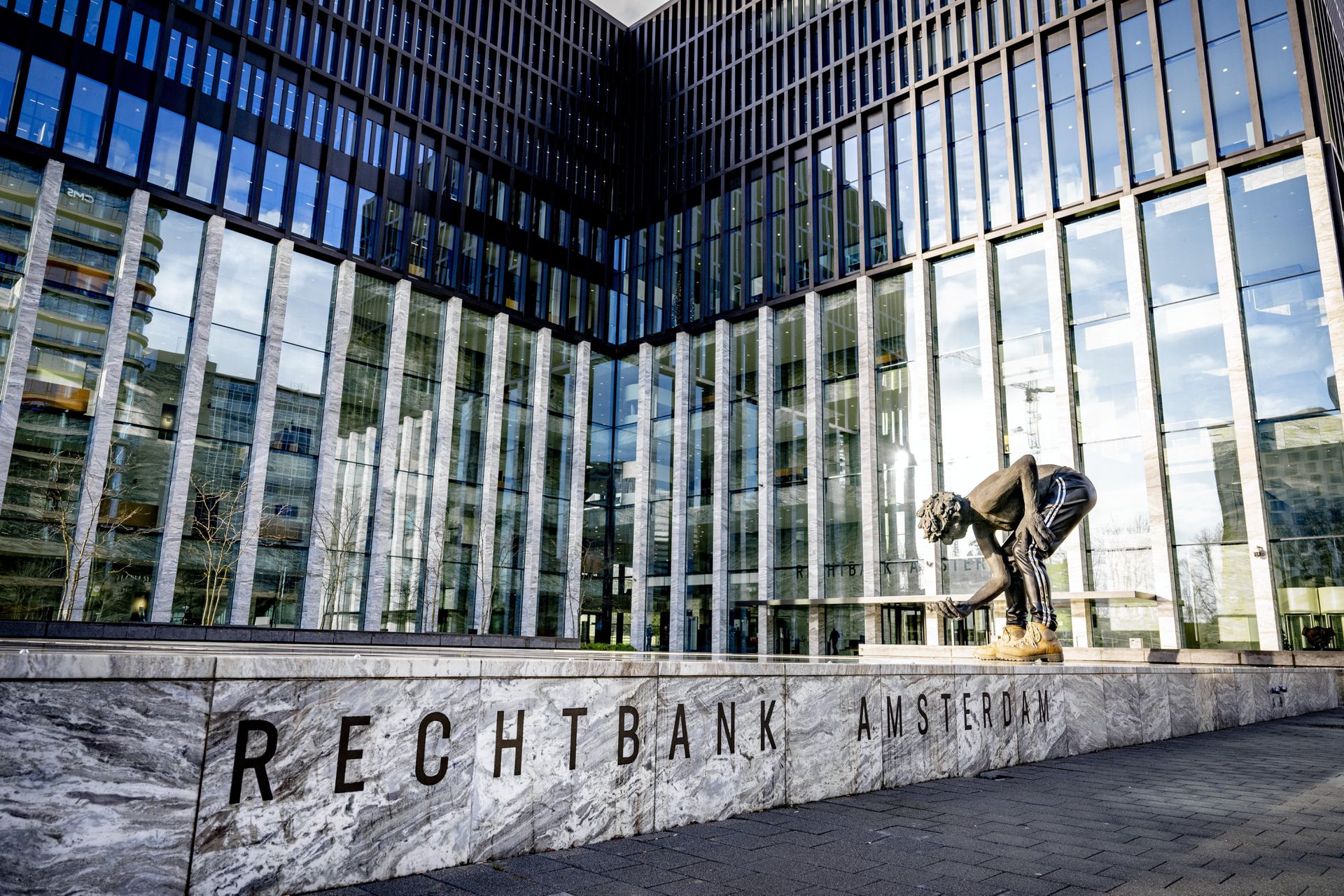
The most important confirmed step came in March 2026. Beth Holloway filed a complaint with the Public Prosecution Service in Amsterdam, asking Dutch authorities to investigate and consider prosecuting van der Sloot for the killing of her daughter. Dutch reporting at the time identified attorney Annemiek van Spanje as one of the lawyers assisting her; Netflix’s November 2026 interview also names Royce de Vries as part of the legal effort.
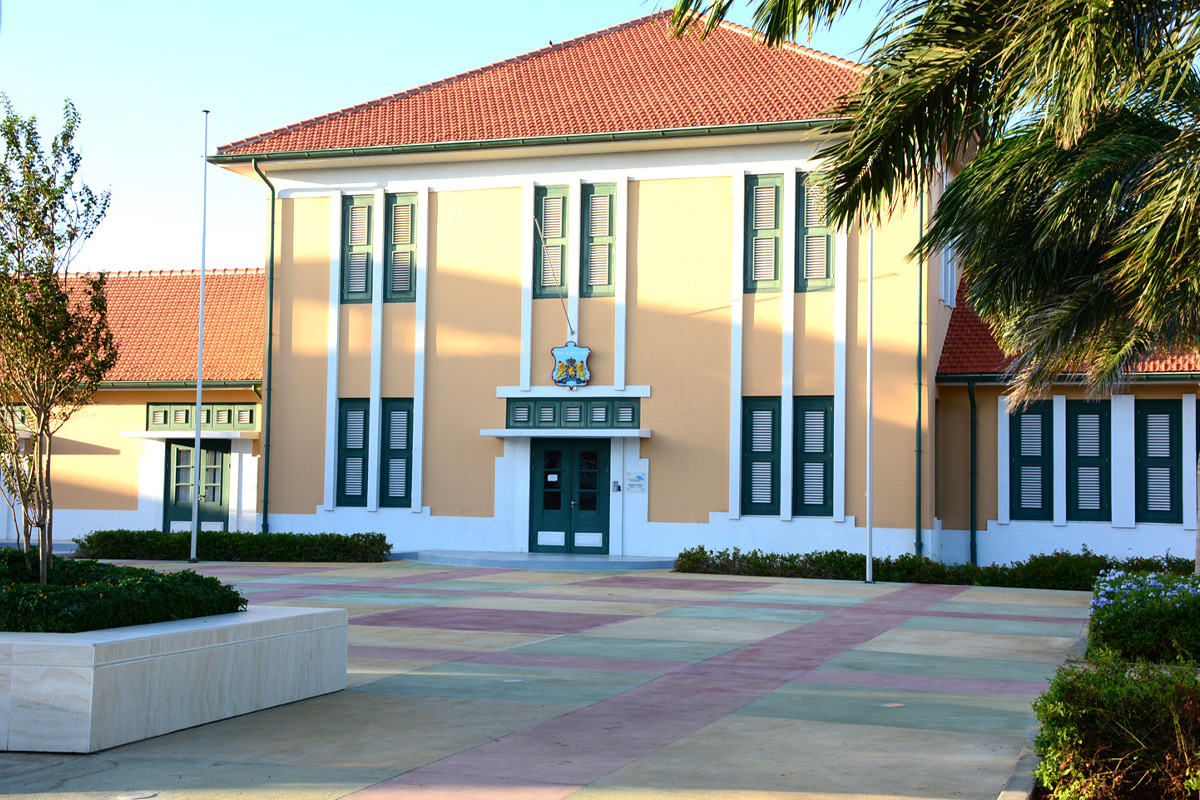
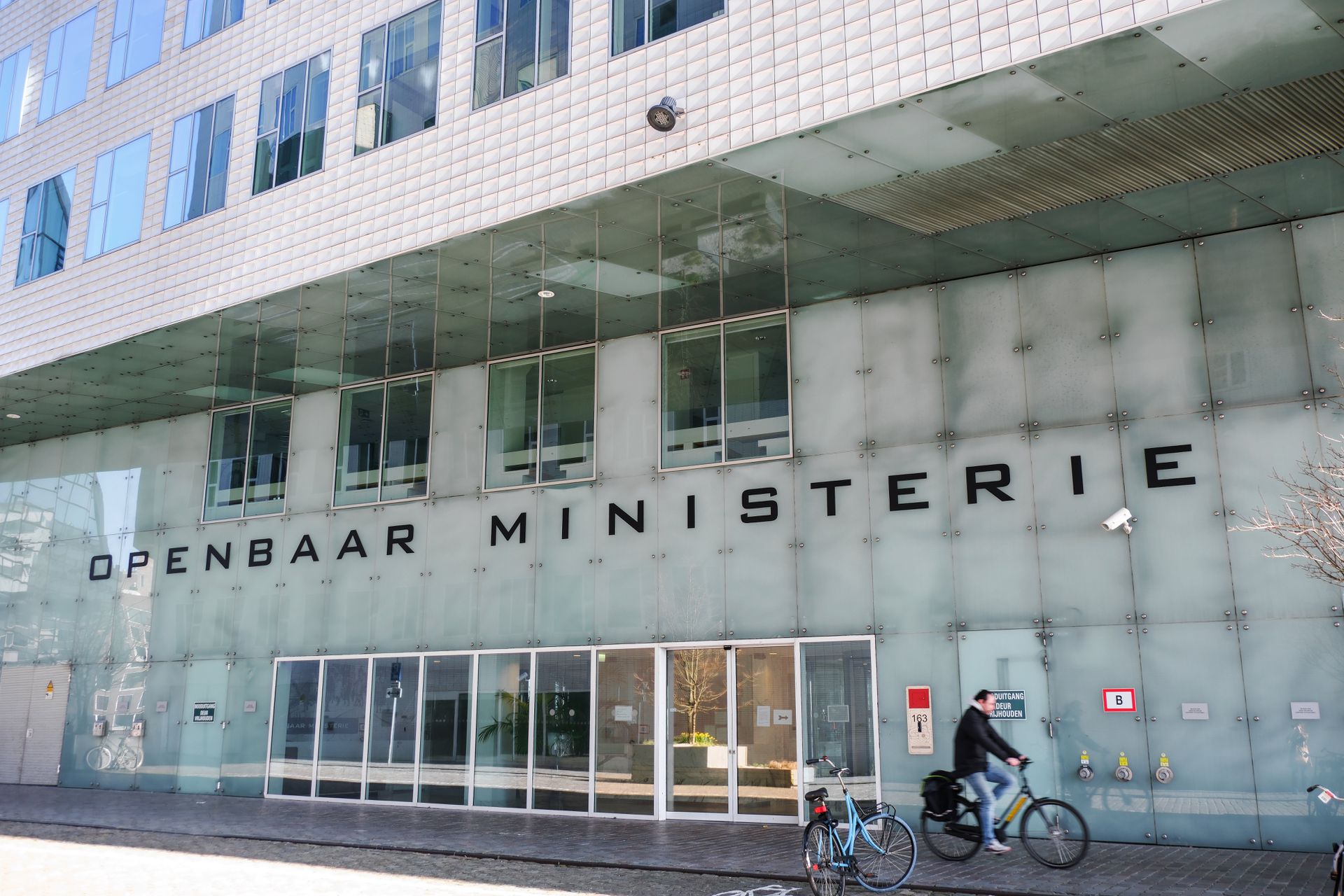
On April 2, 2026, Aruba’s Public Prosecution Service (Openbaar Ministerie, or OM) issued an official statement saying that it had offered the entire Aruban case file concerning Natalee’s disappearance to the Amsterdam OM. The Dutch office needed those materials to assess the complaint Beth had recently filed. Aruba said the file would be made available for that assessment.
That official statement matters because it confirms the Dutch complaint was not simply a public appeal or a media strategy. It had reached the Dutch prosecution service, and the authorities in Aruba were taking a formal step to provide the underlying investigative material. But the statement described a file transfer for assessment—not a Dutch indictment, a trial date, or a decision to prosecute.
The latest public status: the file is being reviewed, not yet prosecuted
In its November 4, 2026 interview with Netflix Tudum, Beth said she had been working with Dutch attorneys on the murder complaint and that a Dutch prosecutor was obtaining documents and Natalee’s case files. She described the matter as being “in the hopper.” That is Beth’s description of the process; it is not a formal announcement by the Dutch OM that charges have been approved.
In a November 9 interview with NBC’s TODAY, Beth again discussed the legal effort and her hope that van der Sloot could eventually face a Dutch case. The reporting described a future prosecution as something she is pursuing, not something that has already been authorized by prosecutors.
As of November 10, 2026, the public record reviewed for this article supports a careful conclusion: a complaint has been filed, Aruba has offered its case materials to Amsterdam, and Beth says Dutch prosecutors are collecting and reviewing the documents. No public Dutch announcement located for this report confirms that van der Sloot has been formally charged with Natalee’s murder.
Why can the Netherlands consider a crime committed in Aruba?
One reason the Dutch route is being explored is van der Sloot’s Dutch nationality. Aruba is a constituent country within the Kingdom of the Netherlands, but it has its own criminal justice institutions and legal rules. A case investigated in Aruba does not automatically become a Dutch prosecution simply because the suspect is Dutch or because the matter attracts attention in the Netherlands.
The Dutch OM’s April 2 statement set out the practical legal point: because van der Sloot is a Dutch national, prosecution in the Netherlands is in principle possible. Article 7 of the Dutch Criminal Code also provides for the application of Dutch criminal law to certain offenses committed abroad by Dutch nationals, provided the relevant legal conditions are met. The law of the place where the conduct occurred is part of that analysis.
That is a basis for examining jurisdiction, not a guarantee that a case will be brought. Prosecutors still have to determine which Dutch offense fits the evidence, whether the Dutch courts can exercise jurisdiction over that offense, and whether the available evidence is strong enough to prove it beyond a reasonable doubt.
Why Aruba’s evidence assessment matters
The April 2 statement also contained a significant qualification. After receiving a large number of documents from the U.S. Department of Justice in January 2026 and conducting further review, the Aruban OM said it did not then have sufficient evidence for murder or qualified manslaughter. It also said prosecution for manslaughter in Aruba was no longer possible because that offense had become time-barred there.
That conclusion does not automatically decide what Dutch prosecutors can do. The Aruban and Dutch legal systems do not have identical limitation rules or necessarily identical jurisdictional routes. The same official statement said the limitation period for manslaughter had not yet expired in the Netherlands and that prosecution there was in principle possible because the suspect is Dutch.
It is important not to turn that statement into a claim that Dutch prosecutors have already found enough evidence. “Possible in principle” is a jurisdictional and limitation point. It is not the same as a prosecutorial decision that the evidence proves a charge.
For the broader legal context, the Dutch government explains that serious crimes carrying a maximum sentence of at least 12 years, including murder and manslaughter, are not subject to a statute of limitations under Dutch law. The applicable classification and the law in force at the relevant time still matter, so the OM must assess the actual facts and legal counts rather than relying on a general headline about limitation periods.
Does the 2023 confession automatically prove murder in a Dutch court?
No. In October 2023, van der Sloot pleaded guilty in a U.S. federal case to extortion and wire fraud connected to his attempt to obtain money from Beth Holloway in exchange for information about Natalee. During the plea proceedings, he gave an account admitting that he killed Natalee in Aruba in 2005. The U.S. sentence in that case was for the federal financial crimes—not a U.S. conviction for Natalee’s murder.
The distinction matters. A confession or admission can be important evidence, but a Dutch prosecution would still need to establish that the statement is admissible, reliable, sufficiently detailed, and supported by the other evidence. Prosecutors would likely need to examine the U.S. plea materials, the underlying interview and recordings, the FBI investigation, Aruba’s original investigative records, and any corroborating witness or forensic evidence.
Natalee’s remains have never been recovered. The absence of recovered remains does not automatically make a murder prosecution impossible, but it can make the evidentiary task more demanding. Investigators would need to test the confession against the timeline, physical and digital records, witness accounts, and any other reliable evidence available.
What would Dutch prosecutors need to decide?
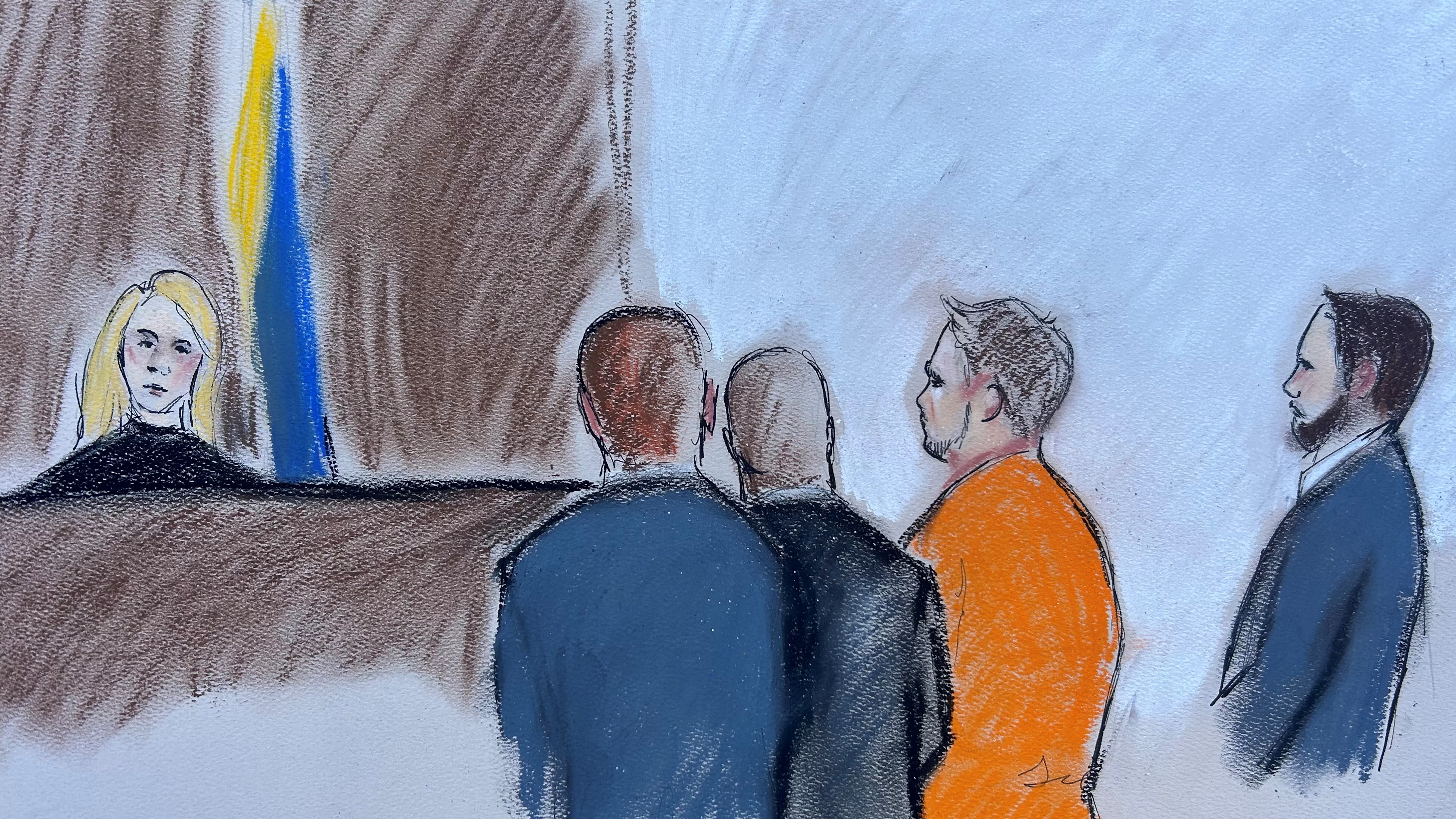
The next meaningful development would be a decision by the Dutch OM after it has reviewed the complaint and the relevant case materials. In practical terms, several questions have to be answered:
- Jurisdiction: Can Dutch criminal law be applied to the alleged conduct in Aruba under the applicable rules?
- Charge selection: Do the facts support murder, manslaughter, or another offense under Dutch law?
- Evidence: Can the confession and the rest of the investigative file be used in court and do they provide sufficient proof?
- Cross-border cooperation: Are the relevant U.S. and Aruban materials available in a form Dutch investigators and a Dutch court can use?
- Custody and trial logistics: How could van der Sloot be brought before a Dutch court while he is serving a sentence in Peru?
Possible outcomes include further requests for records or investigative work, a decision to prosecute if the legal and evidentiary requirements are met, or a decision not to bring charges. The complaint itself does not force the OM to choose prosecution, and the public should not assume that a review will necessarily end in an indictment.
Could van der Sloot be brought from Peru to the Netherlands?
That is a separate practical obstacle. Van der Sloot remains imprisoned in Peru for the 2010 murder of Stephany Flores Ramírez. He also received a 20-year U.S. sentence after pleading guilty to extortion and wire fraud; that U.S. sentence was arranged to run concurrently with his Peruvian sentence.
Beth has spoken about the possibility of a future Dutch trial and about the challenge of securing van der Sloot’s presence. But no public announcement located for this report confirms that Peru has agreed to extradite or transfer him to the Netherlands for a Natalee Holloway prosecution. Any such move would depend on the relevant legal procedures, cooperation between governments, and the status of his existing imprisonment.
It is therefore too early to publish a Dutch trial date or to suggest that a Dutch sentence would automatically begin immediately. Even if prosecutors decide to charge him, custody arrangements and the interaction with his Peruvian sentence would need to be resolved.
What the Netflix documentary changes—and what it does not
Taken: Natalee Holloway, which premiered on Netflix on November 4, 2026, gives viewers Beth’s account of the years-long search and the answers she received in 2023. Netflix’s interview with Beth also brought the Dutch complaint back into public view. That renewed attention can help audiences understand why the family is pursuing another legal step.
But a documentary is not a court filing, an evidentiary ruling, or an order from a prosecutor. It can present interviews and previously unseen material, but the Dutch OM must make its own independent assessment. The legal process will turn on evidence that can be lawfully obtained and tested—not on audience reaction or the popularity of a streaming series.
For more context, read our coverage of the timeline of the Dutch prosecutor’s review of the Aruba case files, the status of Beth Holloway’s Dutch murder complaint, and why Aruba’s limitation rules differ from the Dutch route.
What happens next?
The next milestone is not another trailer or another interview. It is a clear update from the Dutch Public Prosecution Service: whether the file review is complete, whether additional evidence is being sought, and whether the office intends to prosecute. Until such an announcement appears, the most accurate description is that the complaint is under assessment and the possibility of Dutch proceedings remains open.
There is a real legal route worth watching, but there is no guaranteed outcome. The Dutch authorities must weigh the confession against the complete record, decide what charge the evidence can support, and resolve the practical question of bringing a prisoner from Peru into any future proceedings. That is the difference between a new official step and a completed criminal case.
Frequently asked questions
Has Beth Holloway filed a murder complaint in the Netherlands?
Yes. Beth Holloway filed a complaint with the Amsterdam Public Prosecution Service in March 2026, asking Dutch authorities to consider prosecuting Joran van der Sloot in connection with Natalee’s death.
Has the Netherlands charged Joran van der Sloot with Natalee Holloway’s murder?
No public Dutch announcement located for this article confirms a formal charge. The known public steps are the filing of Beth’s complaint and the provision of Aruba’s case materials for assessment by the Amsterdam OM.
Did Aruba send its case file to Dutch prosecutors?
On April 2, 2026, Aruba’s Public Prosecution Service officially said it had offered the full case file to the Amsterdam OM and that the file would be made available to assess Beth’s complaint. Netflix’s November 2026 interview with Beth said a Dutch prosecutor was obtaining the case documents.
Why can the Netherlands consider a crime committed in Aruba?
The Dutch OM said prosecution in the Netherlands is in principle possible because van der Sloot is a Dutch national. Article 7 of the Dutch Criminal Code addresses the application of Dutch criminal law to certain offenses committed abroad by Dutch nationals, subject to legal conditions.
Did van der Sloot confess to Natalee’s murder in 2023?
He gave an account admitting that he killed Natalee during the 2023 U.S. plea proceedings. However, the U.S. conviction was for extortion and wire fraud, not a murder conviction for Natalee’s death. Dutch prosecutors would have to assess the confession and supporting evidence independently.
Could van der Sloot face trial in the Netherlands while in Peru?
Potentially, but it is not automatic. He is serving a prison sentence in Peru, and any Dutch proceedings would require a lawful arrangement for his presence and coordination with the authorities responsible for his custody.
When will Dutch prosecutors make a decision?
No public decision date has been announced. The Dutch OM must first assess the complaint and the evidence. A review can lead to further investigation, prosecution, or a decision not to charge.
Sources and reporting notes
- Aruba Public Prosecution Service, April 2, 2026: official statement on the Natalee Holloway case file and the Amsterdam complaint.
- Netflix Tudum, November 4, 2026: Beth Holloway on the Dutch legal effort.
- Quartz, November 9, 2026: reporting on Beth Holloway’s latest interview and hopes for a Dutch case.
- Government of the Netherlands: limitation periods for criminal offenses.
- Dutch Criminal Code, Article 7: application of Dutch criminal law to offenses committed abroad by Dutch nationals.
- U.S. Department of Justice: background on the 2010 extortion investigation.
Reporting standard: This article distinguishes official statements from Beth Holloway’s public comments and media reporting. It does not treat the Dutch complaint as a charge, the 2023 U.S. plea as a murder conviction, or a possible future trial as a certainty.
By Shivam Das