

One of the season’s most persistent running jokes is also one of its simplest: South Park keeps being called South America. By the time “We Be Clubbin’” turns its attention to youth club sports, the renamed identity is no longer a one-off premiere gag. It has become part of the season’s everyday vocabulary, appearing in the school setting, the club’s branding and the official language used to promote the episode.
That continuity is the point. The joke is not just that a familiar town has acquired an absurd new name. It is that everyone in the story keeps moving forward as though the change is normal. The club-sports chaos can take over Craig’s afternoons and weekends, Tweek can sign up to spend more time with him, and the families can get swept into the programme—while the South America label remains firmly in place.

The name change was announced as a season-long premise
South Park Studios announced in September 2026 that, after 29 years, the series was changing its name to “SOUTH AMERICA.” The announcement presented the change as a satirical move and connected it to the season’s September 16 premiere. The official Season 29 page now uses “South America” as its heading, while the streaming service Paramount+ continues to list the programme under the familiar South Park name. Those different labels show how the gag operates across the franchise’s own presentation: the in-season joke is embraced, but the established programme identity remains recognisable to viewers.
The official announcement is useful context because it establishes that “South America” is not a typo or an isolated line in one episode. It is a deliberate part of the Season 29 concept. Read South Park Studios’ September announcement.
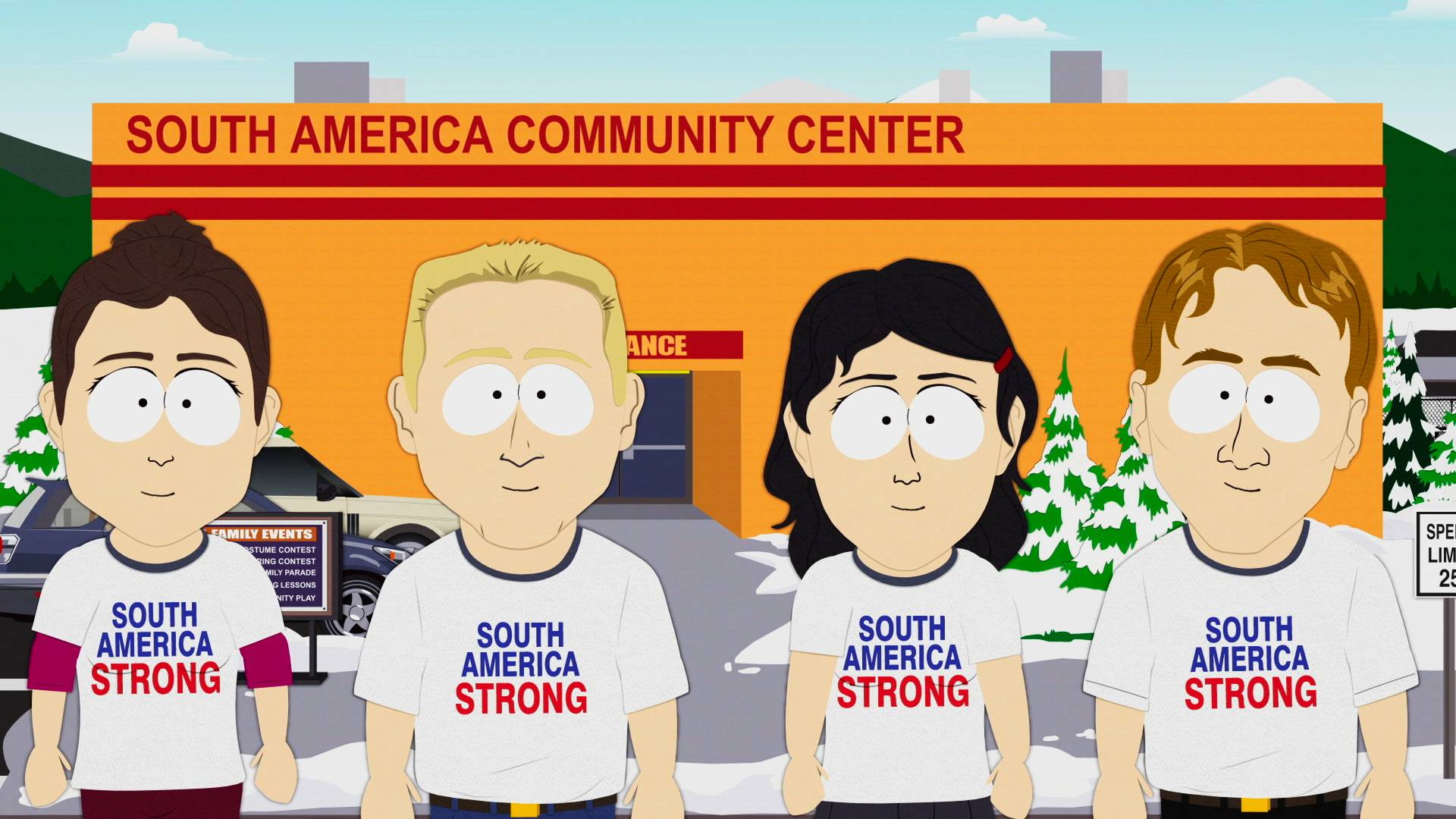
“We Be Clubbin’” carries the label into a new corner of town life
The official synopsis for “We Be Clubbin’” focuses on Craig’s packed schedule and Tweek’s decision to join club sports so they can spend more time together. Soon, Tweek’s whole family struggles to keep up. The story’s immediate subject is the cost and pressure of organised youth sports, not the town’s name. Yet the South America label remains part of the setting around that story.
That is what makes the title’s continued use worth noticing. The show does not pause the plot to explain the name again. Instead, the renamed place is treated as the backdrop for another recognisable South Park-style social satire. A new institution can take over family calendars and sell its own promise of advancement, but it does so in the same town whose identity has already been rewritten for the season.
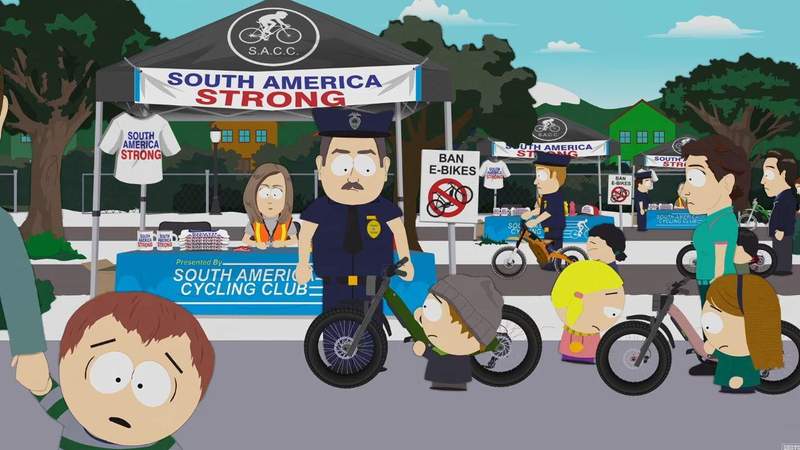
South America becomes a label used by the town itself
The running joke gains strength when it appears on more than a title card. The official clips and season material use names such as South America Elementary and South America Club Sports. That repetition turns the renaming into a piece of world-building: schools, community spaces and local organisations all seem to have accepted the updated wording.
It also makes the club-sports storyline feel connected to the larger season rather than detached from it. The club is not operating in an unnamed generic suburb. It is another local organisation in the same fictional community whose public identity has been changed. Its branding fits neatly into the season’s ongoing visual language.
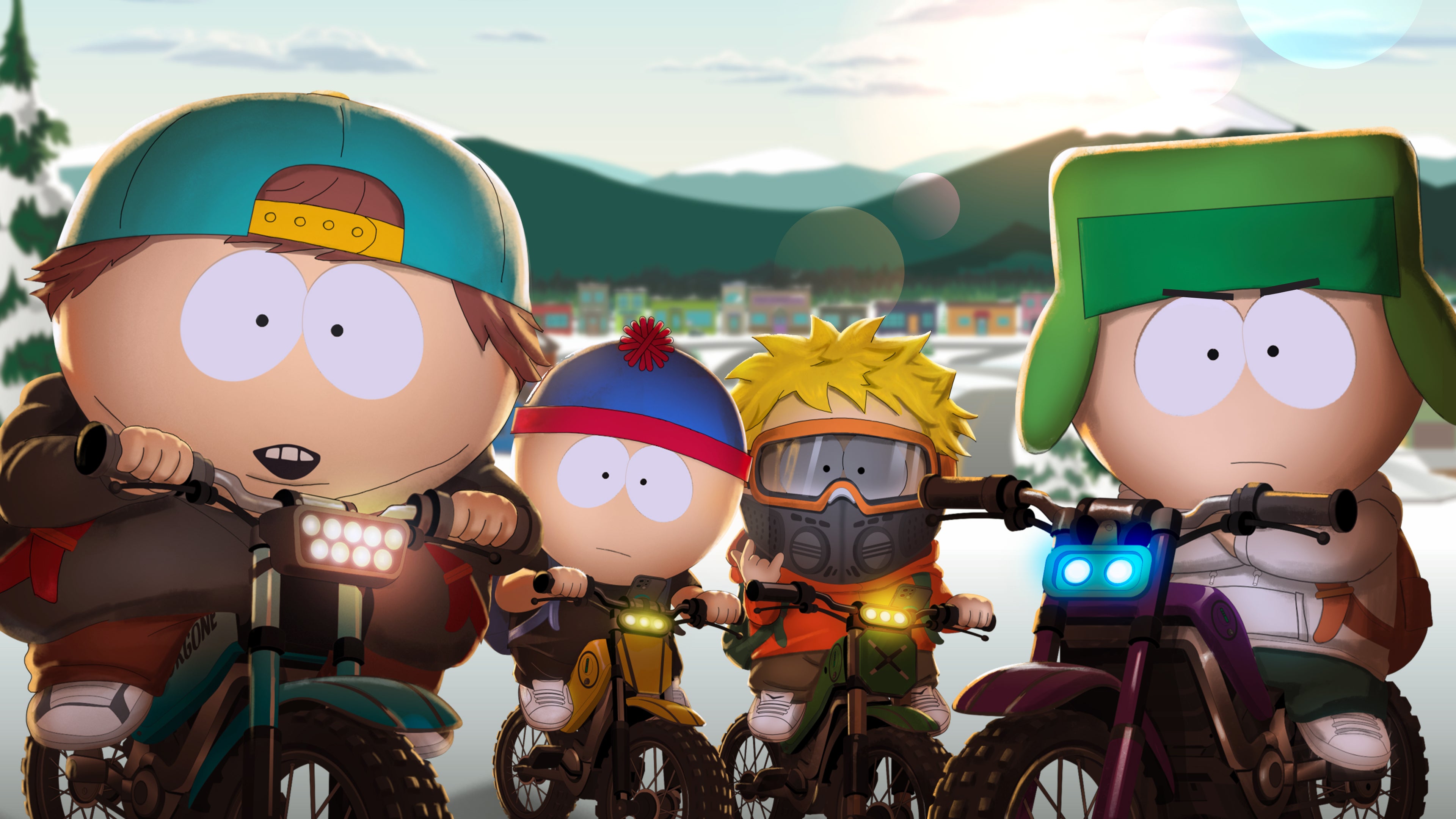
The official episode promotion uses the same naming convention
South Park Studios’ November 10 announcement promoted “We Be Clubbin’” under a headline beginning “South America featuring Cartman, Kenny, Stan and Kyle.” It then gave the episode’s premise and premiere information. The official Season 29 page likewise presents the season as South America and lists the new episode clips, including “This Is Club Sports (Montage)” and “Heated Rivalry.”
That matters because the name is not only present in the fictional dialogue or background artwork. The official promotional language repeats it too. The season’s identity is therefore consistent across the show’s own news page, season hub and episode-related material.
Why the continuity works as a running gag
A name-change joke can lose its force if every episode has to stop and remind the audience that the name has changed. Season 29 takes a more understated route: it keeps using the new label while the characters get on with their problems. The audience recognises the absurdity because the show treats it as routine.
“We Be Clubbin’” benefits from that approach. Its main comic engine is the escalating commitment surrounding youth sports, while the South America naming convention quietly holds the setting together. The two ideas do not need to compete. One supplies the episode’s immediate satire; the other gives the season a continuing identity that is visible even when the plot is about something else.
For viewers following the season, that is the detail to watch: not whether the characters stop to discuss the name, but how casually the name continues to appear in the world around them.
Where to watch and find official material
“We Be Clubbin’” is listed as Season 29, Episode 5 on Paramount+. South Park Studios also hosts the official Season 29 page and its official clips and videos.
Frequently asked questions
Why is South Park called South America in Season 29?
South Park Studios announced a satirical name change to “SOUTH AMERICA” ahead of Season 29. The new label is part of the season’s running premise.
Does “We Be Clubbin’” focus on the name change?
No. Its main story follows Tweek joining club sports to spend more time with Craig. The South America name remains part of the setting and season branding rather than becoming the episode’s central plot.
Is the show still listed as South Park on streaming services?
Yes. Paramount+ lists the programme as South Park and identifies “We Be Clubbin’” as Season 29, Episode 5, while South Park Studios’ Season 29 page uses South America.
Where can I see the official Season 29 clips?
They are available through the South Park Studios website, including clips associated with “We Be Clubbin’.”
In short: the South America name remains in effect because Season 29 treats the renaming as an ongoing part of its world, not a single premiere punchline. “We Be Clubbin’” keeps that continuity in the background while telling a separate story about club sports, family pressure and time together.