

South Park’s “We Be Clubbin’” feels unusually familiar because its jokes are built from recognisable details of family life: the calendar filling up, the car becoming a second home, costs arriving in pieces, and parents trying to convince themselves that one more commitment will be worth it. The episode turns those pressures into an absurd club-sports machine, but the underlying observation is grounded in a real American experience.
That does not mean the episode is confirmed to be autobiographical. There is no public evidence in the sources reviewed that Trey Parker or Matt Stone based this story on their own experience as club-sports parents. The more defensible reading is that the writing feels closely observed because it connects a heightened comedy premise to pressures documented by families and reported by journalists.
The episode starts with a recognisable family problem
The official synopsis gives the story a deceptively simple starting point: club sports take over Craig’s afternoons and weekends, so Tweek signs up to spend more time with him. Soon, Tweek’s whole family struggles to keep up. That premise makes the story about more than a sports program. It is about how a child’s activity can reorganise the lives of everyone around that child. South Park Studios’ episode announcement confirms the setup.
Tweek’s decision is emotionally understandable. He is not initially chasing a trophy, a scholarship or a place in an elite ranking. He wants to share the part of Craig’s week that has become dominant. But joining the same program does not guarantee that the boys will get meaningful time together. Instead, it brings Tweek and his parents into the same schedule, expenses and expectations that have already swallowed Craig’s free time.
The details make the satire feel observed rather than abstract
The strongest realism comes from accumulation. A family may be able to understand one registration fee or one weekend tournament. The strain grows when those commitments repeat and combine with travel, lodging, equipment, food, parking and time away from work or other family responsibilities. “We Be Clubbin’” pushes those demands toward cartoon excess, but the pattern is familiar to families who participate in competitive youth sports.
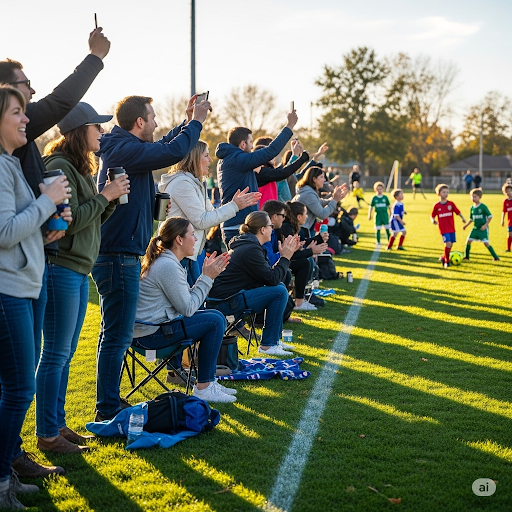
A January 2026 Washington Post report described the growing cost of youth sports and profiled a Florida family whose baseball spending included lessons, equipment, club fees and out-of-town travel. The article reported that U.S. family spending on youth sports had risen substantially, while families faced costs beyond the advertised team fee. Read the reporting.
The episode’s comedy lands because the family is not simply paying for a single activity. They are being drawn into an ecosystem. The club’s promise of development and future opportunity gives each new expense a reason to exist. That is the tension the satire keeps returning to: a parent can begin with a reasonable desire to support a child and end up organising the family around a system that never seems finished asking for more.
Parents are part of the team, whether they signed up or not
One of the episode’s sharpest choices is to show the adults being pulled into the club’s orbit. The official South Park clip “Who Wouldn’t Do That for Their Kids” specifically follows the parents while the children participate in club sports. Watch the official clip.

That perspective is important. The child may be the registered player, but adults handle transport, scheduling, payments, food, accommodation and the emotional work of keeping the experience positive. A weekend tournament can become a family event even for relatives who never wanted to spend Saturday beside a field. The episode makes that invisible labour visible by letting the parents’ world become part of the joke.
The real pressure is not only money—it is the fear of falling behind
Costs alone do not explain why families keep saying yes. Competitive environments can create a sense that declining one more session or missing one more tournament will put a child at a disadvantage. The promise of future development, selection or opportunity can make an expensive schedule feel compulsory, even when the family is unsure whether the benefits justify the sacrifices.
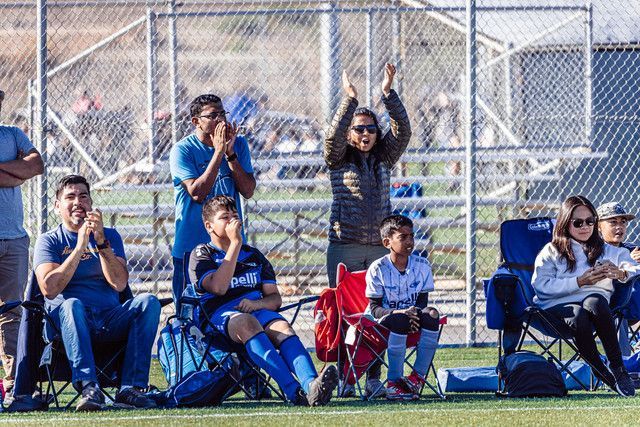
This is where the episode’s exaggerated club hierarchy becomes more than a throwaway gag. A ranking system gives families another reason to compare themselves with others. It turns participation into status and makes the next level look like the natural goal. The satire is not saying that every club or coach operates this way; it is criticising the pressure that can grow when children’s activities become tied to expensive pathways and adult expectations.
A broader look at the youth-sports business appeared in New York magazine’s investigation of private investment and travel leagues. It examined how parental anxiety, competition and commercial incentives can turn a child’s sport into a year-round financial commitment. Read the investigation.
Why the Parker and Stone comparison feels plausible—but needs a boundary
South Park has spent decades turning ordinary institutions into exaggerated systems that reveal their incentives. In “We Be Clubbin’,” the target is not simply parents who spend money or children who want to compete. It is the machinery around them: the promise that families must keep investing, the social pressure to stay involved, and the way a child’s future can become a sales pitch.
That is why the episode can feel as if it came from someone who has watched club-sports families up close. Its recognisable details are the source of the impression. But an impression is not proof of the creators’ private lives. The official announcement identifies Trey Parker and Matt Stone as co-creators and executive producers; it does not say the story is drawn from their personal parenting experiences. The official production announcement provides the credits and episode premise, not an autobiographical explanation.
Keeping that distinction matters. The episode can be perceptive without being a personal confession. Comedy writers can observe public conversations, research a subject, listen to people who live it, or combine familiar experiences into a fictional story. Unless the creators explain their inspiration, the safest conclusion is that the satire reflects real pressures—not that it documents the writers’ own family history.
The official clips show how the episode builds its world
South Park Studios released several short clips that illuminate different parts of the story: “This is Club Sports (Montage)” follows Tweek and his parents on their first day; “Who Wouldn’t Do That for Their Kids” shifts attention to the adults; and “Heated Rivalry” shows Tweek and Craig being moved into the AAA tier and used in a promotional commercial.

- This is Club Sports (Montage)
- Who Wouldn’t Do That for Their Kids
- South Park Studios — official clips and episodes
- Watch “We Be Clubbin’” on Paramount+
What makes the episode’s family satire work
The episode feels grounded because it recognises that youth sports can be both meaningful and demanding. Families may genuinely value the friendships, coaching, confidence and opportunities that organised competition can offer. The joke becomes sharper when those benefits are wrapped in a structure that also consumes money, weekends and attention.
Its realism does not depend on proving that Parker or Stone personally lived through the same experience. It comes from the gap between the simple reason a family joins—because a child loves the activity or wants to be with someone—and the complicated system that grows around that decision. Tweek joins to spend time with Craig. The club turns that hope into another schedule to manage.
Frequently asked questions
Is “We Be Clubbin’” based on Trey Parker or Matt Stone’s personal experience?
No public source reviewed for this article confirms that the episode is autobiographical. Its realism is an interpretation of how closely the story reflects documented youth-sports pressures, not evidence about the creators’ private lives.
What real-life club-sports pressures does the episode portray?
It focuses on family schedules, travel, repeated expenses, parental involvement and the pressure to keep investing in a competitive pathway. These themes also appear in reporting about the cost and commercialisation of youth sports.
Why does the story focus on the parents?
Because children’s club participation often requires adults to manage transportation, payments, lodging, calendars and emotional support. The official parents’ clip makes that side of the experience part of the episode’s satire.
Where can I watch the official clips?
South Park Studios hosts official clips including “This is Club Sports (Montage),” “Who Wouldn’t Do That for Their Kids” and “Heated Rivalry.” The full episode is listed on Paramount+.
The takeaway: “We Be Clubbin’” feels like it understands club-sports parents because it turns familiar pressures into precise comedy. Its strongest observation is not that every family is being exploited, or that the creators are telling their own story. It is that a commitment made for a child’s happiness can gradually become a system that controls the family’s time, money and expectations.