

When 18-year-old Natalee Holloway disappeared during a high-school graduation trip to Aruba in May 2005, two very different public expectations collided. In the United States, a missing teenager from Alabama quickly became a national story, and viewers expected an urgent, visible, highly communicative investigation. On the island, local police and prosecutors were working within Aruba’s own legal institutions, resources, procedures, and public responsibilities. The gap between those expectations became part of the story itself.
The new Netflix documentary Taken: Natalee Holloway returns to that tension through Beth Holloway’s experience, interviews with Aruban journalists and investigators, and footage from the early search. The important question is not whether one country cared more than another. It is how differences in jurisdiction, communication, media pressure, and the scale of the case shaped what people thought they were seeing—and why those perceptions still matter.
Two publics were watching one investigation
For Natalee’s family and the people following the story in the United States, the first days were measured in hours. She had not returned to her hotel or boarded the flight home. Her passport and packed bags were in her room. Her mother, Beth, travelled to Aruba and pressed for answers. American television audiences were accustomed to seeing law-enforcement briefings, rapid updates, and familiar federal agencies take visible roles in major cases.
Aruba’s police, meanwhile, were managing an investigation on their own territory while an international media spotlight intensified. The island’s government said the search was a priority. Contemporary reporting recorded the involvement of Aruban police, Dutch personnel, volunteers, and U.S. investigators. The documentary’s interviews also show that the same events could look very different depending on whether someone was waiting for information as a parent, reporting it as a journalist, or trying to protect the integrity of an active investigation.

Aruba was not simply another U.S. state—or a Dutch municipality
One source of confusion was constitutional. Aruba is one of the four constituent countries of the Kingdom of the Netherlands. It has its own elected parliament and government, and it is responsible for many domestic matters, including its judicial system. The Dutch government’s explanation of the Kingdom’s structure makes clear that Aruba, Curaçao, and Sint Maarten have their own governments and are responsible for areas such as their judicial systems; the Kingdom handles matters including foreign policy and defense.
That distinction matters. Calling Aruba “part of the Netherlands” without explaining its autonomous institutions can lead American readers to assume that Dutch national police or prosecutors could simply take over. They could not treat the island as if it were a county or state within the United States. Cooperation with foreign agencies had to operate through the applicable legal and institutional channels. The FBI could assist, but the existence of American investigators did not transfer local authority over an alleged crime committed in Aruba.


Why the FBI could help without running Aruba’s case
American viewers often asked why the FBI did not simply take charge. The short answer is jurisdiction. The disappearance occurred in Aruba, so the primary investigation belonged to Aruban authorities. U.S. agencies could provide assistance, share expertise, and pursue offenses that fell within U.S. jurisdiction, but they could not automatically replace the island’s police and prosecutors in a local investigation.
The distinction became clearer years later. In 2010, van der Sloot’s attempt to obtain money from Beth Holloway in exchange for information about Natalee’s remains led to a U.S. federal case involving extortion and wire fraud. That was a different legal matter from prosecuting Natalee’s killing in Aruba. The 2023 guilty plea resolved those U.S. federal offenses; it did not itself amount to an Aruba murder conviction. This is why the documentary’s timeline must be read as a series of connected but legally separate proceedings.

The communication gap became a credibility problem
For a family desperate for information, a slow or limited answer can feel like indifference. For investigators, withholding details can be a way to protect witness accounts, avoid contaminating evidence, or prevent a suspect from learning what authorities know. Those positions can coexist. But when a case is being covered around the clock, silence rarely stays neutral: it can be interpreted as incompetence, secrecy, or unwillingness to act.
The documentary review published by Culture Mix describes the tension between Aruban police and American media, including the local journalist Dilma Arends Geerman’s account that U.S. coverage made it appear Aruba was doing nothing. The same review notes that some Arubans were themselves surprised by aspects of the early investigation, including the timing of interviews with the three young men last seen with Natalee. That complexity is important: explaining the local context should not erase legitimate questions about investigative decisions.
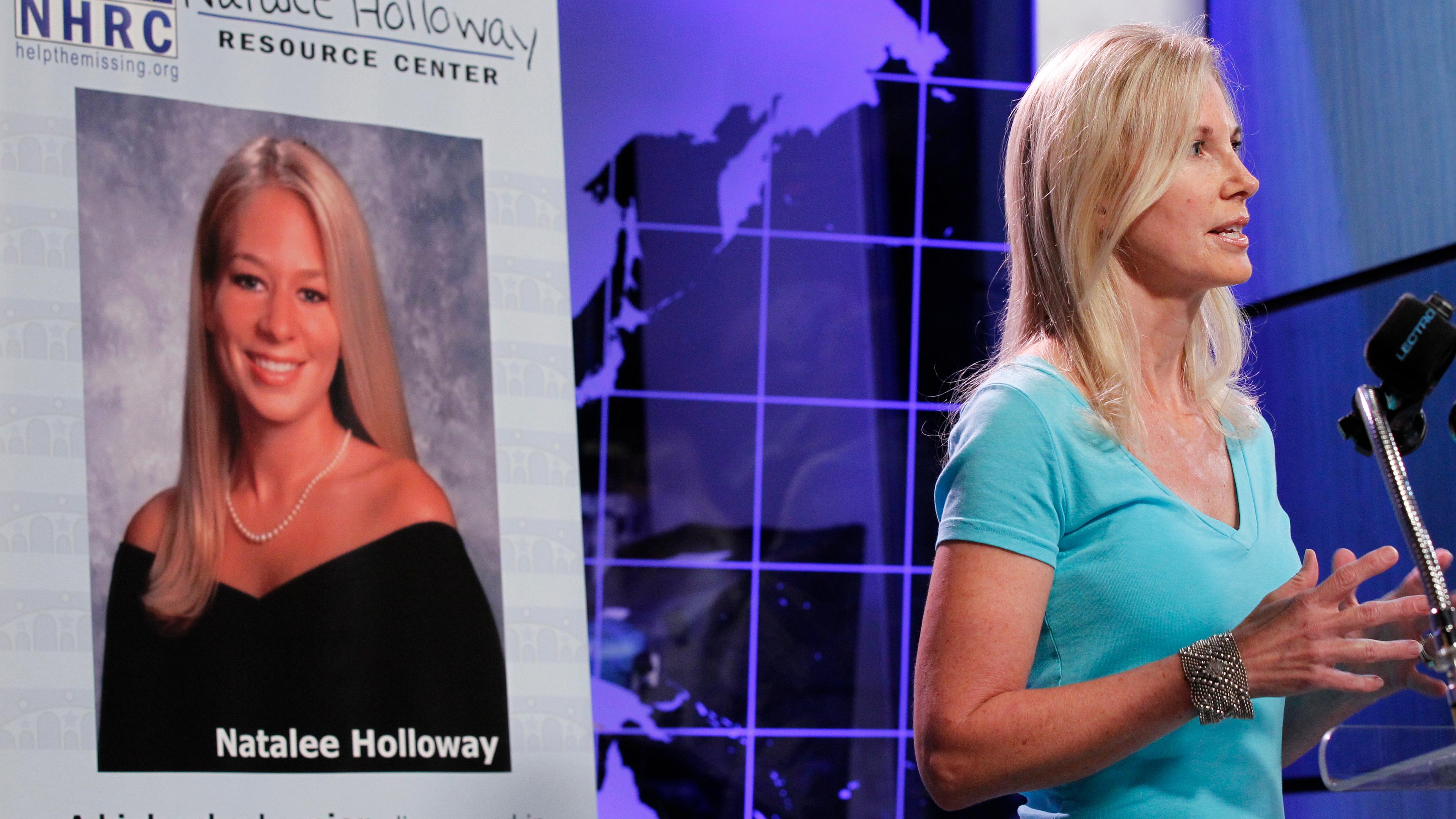
A small island faced a global media storm
Aruba’s tourism economy and its international reputation were also exposed to the coverage. A 2015 peer-reviewed study in Tourism Management Perspectives examined how U.S. broadcast framing of the case affected perceptions of Aruba. The researchers reported that prolonged negative coverage was associated with a decline in U.S. tourist arrivals beginning in 2006. The study does not prove that every critical report was unfair, nor does it excuse investigative mistakes. It does show that a crime story can have consequences far beyond the people directly involved.
That pressure helps explain why Aruban residents could experience the American coverage as an attack on their home, while American viewers experienced local caution or limited disclosure as a failure to answer a grieving family. Neither reaction should be treated as the voice of an entire country. Aruba is not a single opinion, and American audiences are not a single jury. The more accurate picture includes local volunteers who joined the search, journalists who challenged official accounts, investigators who defended their work, and relatives who had every reason to demand transparency.


What the documentary adds—and what it cannot settle
Taken: Natalee Holloway gives viewers a chance to hear perspectives that were often filtered through breaking-news coverage in 2005. Netflix’s own series explainer identifies Aruban journalist Dilma Arends Geerman, former deputy police chief Gerold Dompig, American investigators, Natalee’s friends, and Beth among the people featured. That mix makes the series more useful as a record of competing memories and experiences than as a simple verdict on an entire country.
It cannot retroactively make every early decision clear, and an interview decades later is not a substitute for a complete contemporaneous case file. Nor should the documentary be used to turn cultural differences into stereotypes about Arubans or Americans. The strongest reading is narrower: an international case exposed a mismatch between public expectations, legal authority, and communication practices. It also exposed the damage that speculation and inaccurate reporting can do when facts are scarce.
A fairer way to read the cultural gap
The most useful lesson is not that one side was right about everything. It is that a cross-border investigation needs clear explanations of who has authority, what information can be shared, what assistance foreign agencies can provide, and why some decisions take time. Families deserve empathy and meaningful updates. Local investigators deserve to be judged on evidence and documented actions, not on assumptions about a country’s culture. Journalists have a responsibility to distinguish confirmed facts from claims, especially when a small community is being discussed before a global audience.
For readers following the legal aftermath, see our related coverage of why the U.S. murder charge was not available and the documentary’s two-decade timeline. Those separate stories help distinguish the emotional history from the jurisdictional questions.
Frequently Asked Questions
Conclusion
The cultural gap surrounding Natalee Holloway’s disappearance was real, but it was not a simple contest between an impatient America and a defensive Aruba. It grew from different legal systems, unequal media power, a family’s urgent need for answers, and a local investigation suddenly watched by millions. The documentary helps recover voices that were often reduced to brief sound bites, while the historical record shows why jurisdiction and communication mattered. A fair account can hold two ideas at once: Beth Holloway and her family were entitled to demand answers, and Aruban authorities and residents should not be judged through sweeping stereotypes. The lasting lesson is that international cases require transparent cooperation, careful reporting, and respect for both the people seeking justice and the community in which the investigation takes place.