

By Shivam Das
In Taken: Natalee Holloway, Natalee’s friends are not simply witnesses to the final night of a graduation trip. Their interviews sit inside a much longer story: the shock of a friend disappearing, the uncertainty of the first days, the strain of years without answers, and the complicated relief that arrived when the investigation produced new information. The three-part Netflix series brings friends Madison Greer and Claire Fierman back into the account, but the emotional history they describe began long before the cameras returned.
The clearest way to understand that history is to compare three moments in the public record: what classmates said as the search began in 2005, what Claire Fierman and Mallie Tucker told Glamour in 2010, and what Netflix’s 2026 series brings together now. These are not interchangeable accounts, and they do not describe every friend’s experience. Read together, however, they show why relief and guilt can appear in the same story without meaning that Natalee’s friends were responsible for what happened to her.
Quick answer: The strongest documented account of the friends’ guilt comes from Claire Fierman and Mallie Tucker’s 2010 interview with Glamour. They described guilt about Natalee not coming back and about allowing hope to fade—not guilt that they could have prevented her disappearance. The same interview records a sense of relief after Joran van der Sloot was arrested in 2010. Netflix’s later series adds a new interview setting, but it should not be treated as proof that every friend felt the same emotions or experienced them in a neat three-episode sequence.
What the three-part documentary can—and cannot—tell us
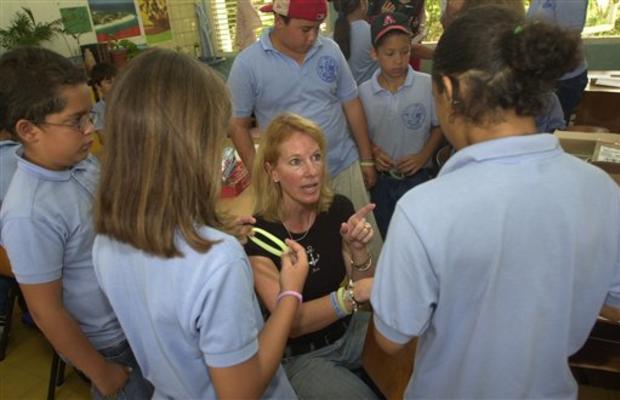
Netflix describes Taken: Natalee Holloway as a three-part documentary that revisits the case through people closest to Natalee, including her friends Madison Greer and Claire Fierman, her mother Beth Holloway, investigators, journalists and others connected to the search. The series premiered on November 4, 2026. Netflix’s official companion guide identifies the interviewees and outlines the series’ focus, but it does not publish a detailed emotional timeline assigning a particular feeling to each episode.
That distinction matters. Rather than inventing an episode-by-episode emotional breakdown, this analysis follows the chronology supported by interviews and reporting. The documentary’s three episodes provide a new frame for revisiting the story; the friends’ own earlier words provide the clearest evidence of how their feelings changed.
It is also important to distinguish the friends who appear in the 2026 series from those quoted in earlier reporting. Madison Greer and Claire Fierman are listed by Netflix among the documentary’s interviewees. The 2010 Glamour feature is an interview with Claire Fierman and Mallie Tucker. These accounts overlap in people and history, but they are not identical testimony from one unchanged group.
Phase one: the first shock was confusion, not a settled understanding
Natalee disappeared on May 30, 2005, during a graduation trip to Aruba. In the days that followed, classmates and friends received information in fragments. The 2010 Glamour interview records Claire’s memory of hearing at the airport that Natalee had not boarded the flight. At first, she did not immediately understand the seriousness of the situation. After a call from her father during the journey home, she began to fear that something much worse had happened.
That sequence is an important corrective to hindsight. People who learn the eventual outcome can look back at a few minutes of confusion and treat them as if everyone already knew the danger. The contemporary account instead describes young classmates trying to understand incomplete information while travelling home. It does not establish that the friends knew what had happened to Natalee or had a clear picture of the risk at the time.
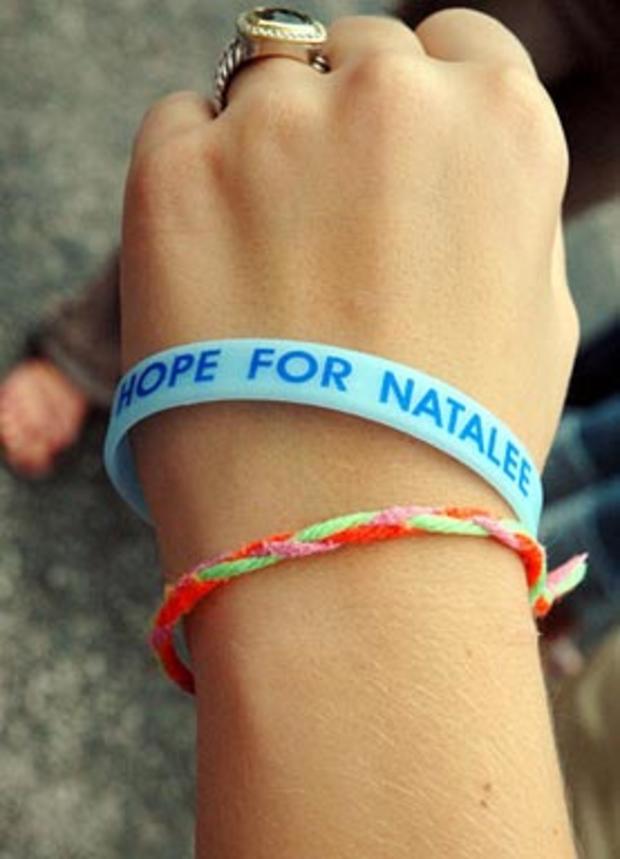
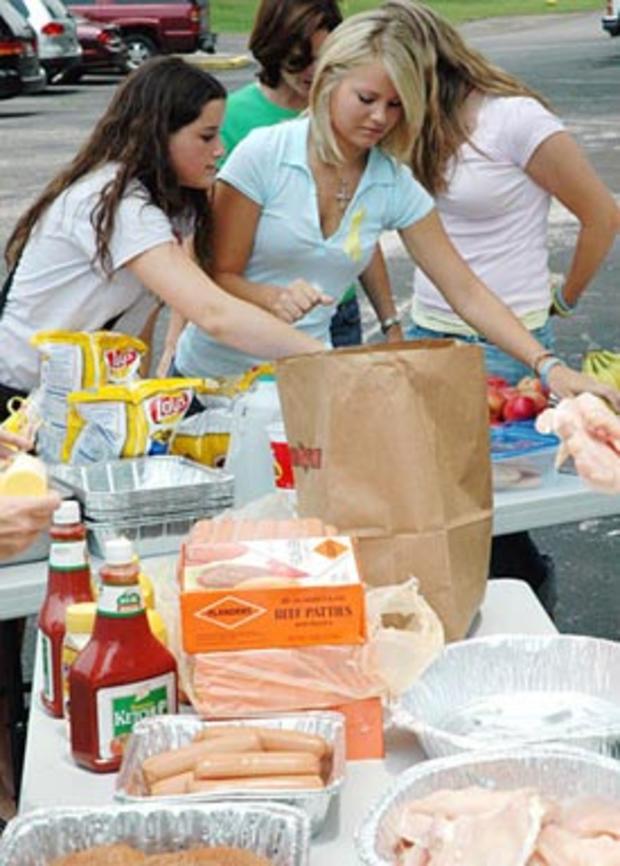
In the same interview, Mallie described friends staying close to one another, waiting for news and trying to find something useful to do. The friends made “Hope for Natalee” bracelets and distributed them to classmates and supporters. Those actions show how the group responded to uncertainty: they organized, kept in contact and held on to the possibility that Natalee might be found.
Phase two: years of uncertainty changed how the friends handled grief
The most revealing part of the 2010 Glamour interview is its account of what happened after the first wave of hope. Claire and Mallie described the strain of returning to college while the investigation remained unresolved. Natalee had been expected to attend the University of Alabama; her absence was therefore felt in ordinary places and routines, not only in news reports. They described the emotional difficulty of seeing the life they had imagined continuing without their friend.
Claire used the word “guilt,” but she carefully explained what she meant. It was not guilt in the sense that she believed she could have saved Natalee. It was guilt that Natalee was not coming back and guilt about giving up hope. That distinction is essential. It describes the emotional burden of living with an unresolved loss, not an admission of responsibility for the disappearance.
The interview also describes different coping responses. Claire spoke about anxiety and the need to make lists and plans. Mallie described using alcohol to numb feelings and later seeking treatment. Those are their individual recollections, not a diagnosis of everyone who knew Natalee. They should be read with care and without turning painful personal disclosures into spectacle.
One of the most affecting details in the 2010 interview is the friends’ private farewell ritual. Claire and Mallie wrote letters to Natalee, read them aloud at Huntington Beach, and burned them in a small bonfire. Claire described the ritual as a way of saying goodbye; Mallie called it their funeral for Natalee. The article reported that the anxiety and guilt they had been carrying lifted after that experience. This was a personal act of mourning, not a claim that their grief had ended or that they had stopped remembering their friend.
Phase three: relief arrived in 2010, but it was not the same as closure
The 2010 interview also records a distinct moment of relief. On May 30, 2010—the fifth anniversary of Natalee’s disappearance—van der Sloot was arrested in Peru in connection with the murder of Stephany Flores. Mallie told Glamour that the news brought a feeling she had once hoped would come with the words “they’ve found Natalee, alive.” That was not what happened. Instead, the arrest brought relief that the man she believed was responsible was in custody.
Relief in this context should not be confused with happiness about another person’s death, nor with a belief that the case had been fully resolved. It was a reaction to a development in a long and painful story. The difference between relief and closure is especially important because the friends still did not have answers about Natalee’s final moments or the location of her remains.
That earlier relief also helps explain why the 2023 confession was another major emotional turning point, rather than the first time the friends or family had experienced any sense of movement in the case. In October 2023, van der Sloot pleaded guilty in the United States to extortion and wire fraud. During the related proffer process, he gave an account admitting that he killed Natalee. The plea was not a separate conviction for Natalee’s murder. The legal distinction should remain clear even when discussing the emotional importance of the admission.
What changes when the friends speak again in 2026?
The Netflix series places friends’ memories alongside Beth Holloway’s account, investigators’ recollections and material from the long investigation. Netflix’s official guide confirms that Madison Greer and Claire Fierman are among those interviewed. That wider structure gives viewers a chance to hear the friends in a documentary released after the 2023 confession, when the central question of what happened to Natalee had changed from an unresolved mystery to an account supplied by van der Sloot himself.
But a new interview should not be mistaken for a complete record of a person’s private life over twenty years. A documentary selects material, orders scenes and creates a narrative. It can show what a participant chose to share at the time of filming; it cannot reveal every private conversation, every year of grief or every difference between friends. Netflix’s published guide does not say that all friends experienced the same guilt or relief, and the available sources do not support such a generalization.
The most responsible reading is therefore a layered one: the 2005 record shows friends trying to help while the facts were unclear; the 2010 interview documents how two close friends described guilt, anxiety, coping and a moment of relief; the 2026 documentary revisits the case with a new perspective after the confession. This chronology is more informative than claiming that three episodes neatly map three universal emotional stages.
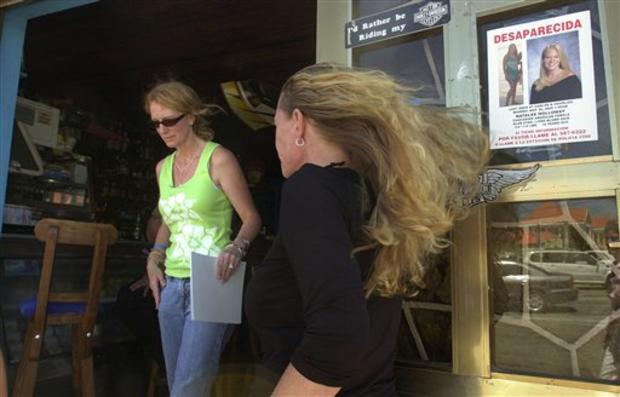
Why the distinction between guilt and responsibility matters
Public discussion of the friends can slide too easily from asking what they remember to assigning blame. The 2010 interview does not support that leap. Claire’s explanation of guilt was about the emotional impossibility of accepting that Natalee was not coming back and the painful feeling of letting hope fade. It was not a confession that she or Mallie had caused the disappearance or could have known the outcome in advance.
That distinction also matters for viewers. It is fair to ask what the documentary reveals about the timeline, what different witnesses recall and how the investigation unfolded. It is not fair to treat the friends’ grief as evidence against them. The responsibility for the crime belongs to the person who committed it—not to teenage classmates who were left to process a disappearance they did not control.
What viewers should take from the emotional arc
The friends’ story is not a simple progression from shock to guilt to relief. The record is more complicated. Hope and fear overlapped in 2005. Guilt and anxiety surfaced during the years when the case remained unresolved. A private farewell ritual helped two friends describe a change in how they carried the loss. The 2010 arrest brought relief, while the 2023 confession supplied an account of Natalee’s death. The 2026 documentary revisits those experiences in a new public setting.
For viewers, the most meaningful contribution of the friends’ interviews may be the reminder that a missing-person case continues to affect people long after the news cycle moves on. Friends can carry memories, unanswered questions and feelings that do not fit a tidy narrative. Listening to what they actually said—rather than assuming what they must have felt—makes the story more accurate and more humane.
For further context, read our coverage of the themes the directors wanted to highlight in Beth Holloway’s story and explore the Natalee Holloway Netflix coverage archive.
Sources and further reading
- Netflix Tudum: Taken: Natalee Holloway — release date, interviews and series background (Nov. 5, 2026).
- Glamour: “What We’ve Never Told Anyone About Natalee Holloway” by Sheila Weller (Sept. 2, 2010), including first-person recollections from Claire Fierman and Mallie Tucker.
- CBS News/AP: Natalee Holloway — Search Continues (June 24, 2005), archival photographs documenting support efforts.
- CBS News/AP: Natalee Holloway — Paradise Lost (June 7, 2005), contemporary reporting and photographs from the search.
- U.S. Department of Justice: Van der Sloot pleads guilty to extortion and wire fraud (Oct. 2023).
Editorial note: This article distinguishes first-person recollections, documentary coverage and legal outcomes. It does not claim to speak for every friend or infer private emotions beyond what named sources reported.