

When Joran van der Sloot described what happened to Natalee Holloway during a recorded 2023 interview, the legal process behind that account was more complicated than a simple confession. The word “proffer” refers to a structured conversation in which a person gives prosecutors information under agreed conditions. It is not automatically a pardon, a guarantee of immunity, or the same thing as pleading guilty. Understanding that distinction helps viewers separate the information van der Sloot provided from the federal charges he actually admitted.
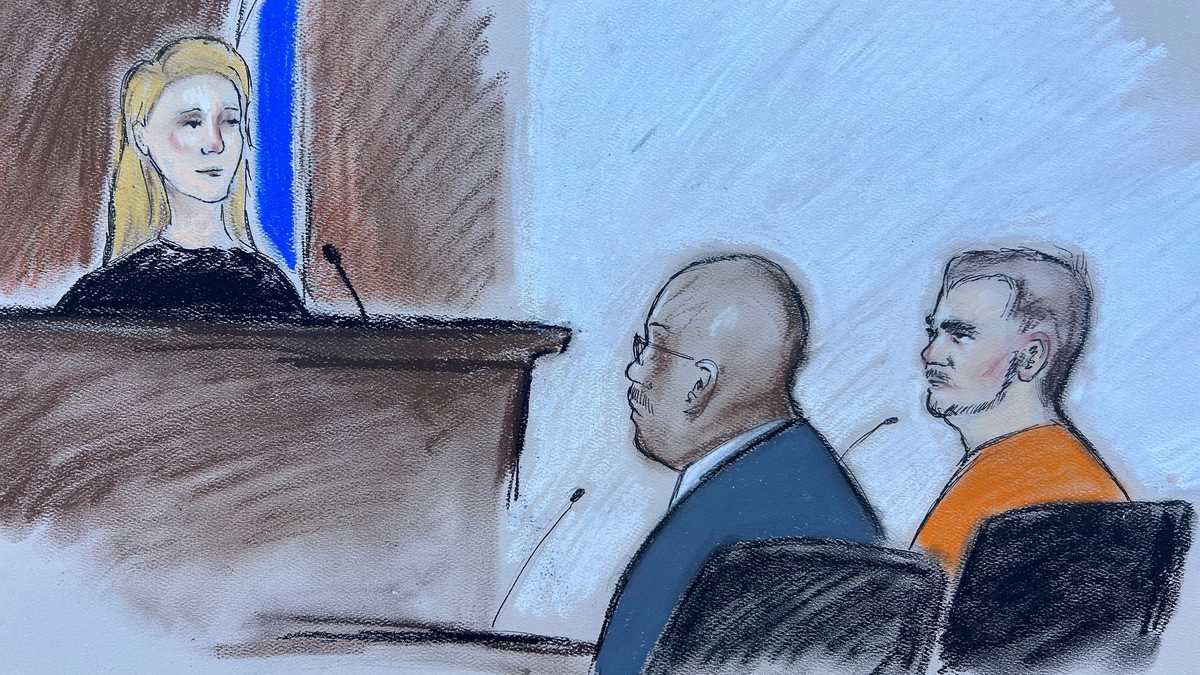
What is a proffer agreement?
In federal criminal practice, a proffer agreement is an arrangement that sets the ground rules for a person to provide information to prosecutors. The meeting in which the person gives that information is often called a proffer session. Lawyers sometimes use the informal phrase “queen for a day,” but the nickname can be misleading: it does not mean the person receives complete immunity or a free pass.
The U.S. Department of Justice has described a proffer agreement as a tool for evaluating information from a potential cooperating witness. The written terms explain what the person is expected to disclose and how the government may use the statements. The precise protection depends on the language of the agreement. It is not safe to assume that every statement is permanently off-limits to prosecutors, or that the person cannot be prosecuted for separate conduct.
Put simply, a proffer is a controlled opportunity to tell investigators what someone knows. The agreement defines the rules of that conversation. It does not, by itself, decide whether the information is true, whether the person will later cooperate, what charges will be filed, or what sentence a judge will impose.
Proffer session, plea agreement and guilty plea: three different things
These terms are often used close together in coverage of a criminal case, but they describe different stages or legal instruments.
- Proffer agreement: Sets conditions for a person to provide information to prosecutors, including rules about the use of statements.
- Proffer session: The interview or meeting in which the person gives information under those conditions.
- Plea agreement: A negotiated agreement in which a defendant agrees to plead guilty to specified charges, usually with terms about sentencing or other obligations. The court must address the plea under the applicable rules.
- Guilty plea: The defendant’s formal admission in court to the charged offense or offenses. It is not interchangeable with every statement made in an interview.
The U.S. Courts’ explanation of federal criminal cases describes a plea bargain as an agreement to plead guilty in return for a prosecutorial concession, such as dropping charges or recommending a sentence. That is a different function from a proffer session, which is primarily about providing information under defined conditions.

How the process unfolded in the Natalee Holloway case
The federal case grew out of a 2010 attempt to obtain money from Beth Holloway in exchange for information about Natalee’s remains and the circumstances of her death. The Justice Department says van der Sloot solicited $250,000, but received a total of $25,100 before providing information he later described as worthless. The FBI investigated the extortion and wire-fraud allegations, and the case was brought in the Northern District of Alabama.
In June 2023, van der Sloot was temporarily transferred from Peru to the United States to face the federal charges. He initially pleaded not guilty. The Justice Department said the charges concerned the alleged scheme to obtain money from Beth Holloway—not a U.S. murder charge relating to Natalee’s death.
On October 3, 2023, van der Sloot took part in a recorded interview with prosecutors as part of the process leading to his plea. A partial transcript of that interview was filed in federal court on October 18. In the filed portion, he described being with Natalee on an Aruba beach and gave an account of the violence that followed. The transcript is a record of what he said during that interview; it should be read as an attributed statement, not as a substitute for every piece of independent evidence.

What the public court record actually calls the agreement
A useful detail is easy to miss in headlines: the publicly filed October 18 document is titled a Binding Plea Agreement. The court record also includes a partial transcript of the October 3 recorded interview. News coverage commonly calls the interview a proffer meeting, but readers should not assume that the public docket contains a separate standalone document with every possible term of a proffer agreement.
The Justice Department’s October 18 announcement says van der Sloot pleaded guilty to extortion and wire fraud. It also says that, under the plea agreement and sentencing memorandum, he agreed to provide full, complete, accurate and truthful information about Natalee’s disappearance in exchange for a 20-year sentence. The court accepted the binding plea agreement and imposed the 20-year federal sentence.
This distinction is important for accuracy. The interview supplied information; the written plea agreement set out the negotiated terms of the federal case; and the guilty plea formally resolved the extortion and wire-fraud counts. Those are connected parts of the same legal sequence, but they are not one interchangeable document.

What did van der Sloot agree to provide?
The Justice Department’s public summary says the plea agreement required him to provide complete, accurate and truthful information about Natalee’s disappearance. The public record and contemporaneous reporting describe a recorded interview, a polygraph examination and an opportunity for Natalee’s parents to hear the account. The partial transcript filed in court gives readers a direct, limited view of what was said during one portion of the interview.
That does not mean every detail should be repeated without context. A transcript can establish what a speaker said at a particular time. It cannot, by itself, prove every factual claim contained in the statement. Investigators and courts assess information alongside other evidence, and a polygraph result should not be treated as a replacement for independent corroboration.
For readers, the most careful formulation is this: van der Sloot made an admission during the 2023 proffer interview and agreed, as part of the federal plea arrangement, to provide truthful information. The federal convictions entered in court were for extortion and wire fraud.
Did the proffer or plea deal make him immune from prosecution?
No blanket immunity should be inferred from the word “proffer.” Proffer protections are defined by the actual agreement and can be limited. The Department of Justice’s legal discussion of proffer agreements explains that the arrangement is designed to encourage disclosure while preserving rules about how statements may be used. The agreement’s wording matters, including any exceptions that apply if a person gives false information or later violates the terms.
In this case, the public outcome was not a general grant of immunity. Van der Sloot pleaded guilty to two federal offenses—extortion and wire fraud—and was sentenced to 20 years. The plea agreement did not amount to a U.S. conviction for Natalee’s murder. His admission about Natalee was part of the information he provided; the charges resolved in the Alabama federal court were the extortion and wire-fraud counts.
That is why headlines saying simply that a “deal” was made can leave readers with the wrong impression. A negotiated agreement can contain obligations and consequences without erasing the difference between an interview, a plea and a conviction.
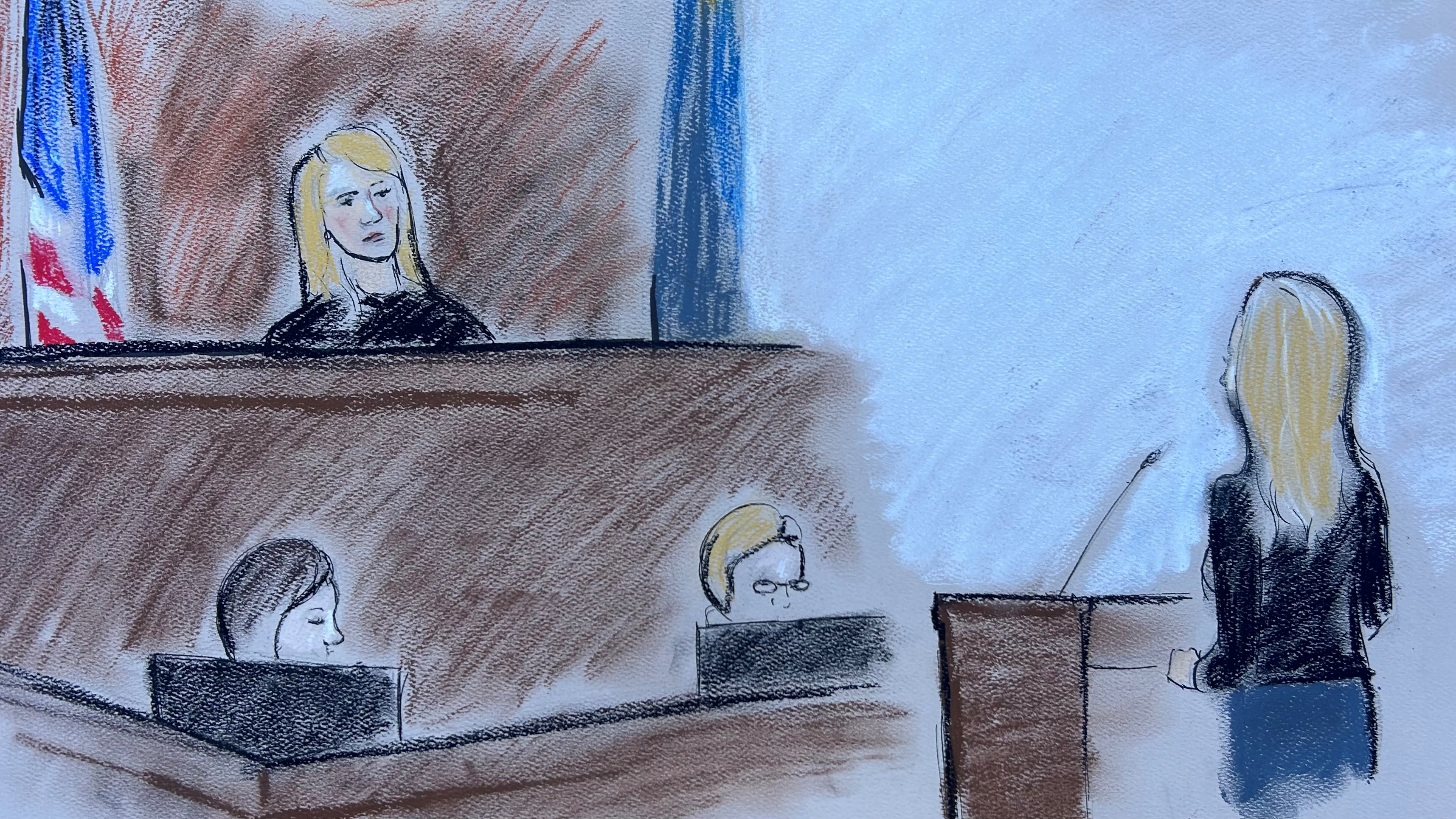
Why the distinction matters to Natalee’s family and to viewers
For Beth Holloway, the information provided in 2023 answered a question that had shaped the family’s life for more than eighteen years. But the emotional importance of receiving an account does not change the legal nature of the federal case. The United States prosecuted the scheme that targeted her for money; it did not prosecute van der Sloot for Natalee’s killing in that proceeding.
For viewers of Taken: Natalee Holloway, understanding the process makes the documentary easier to follow without confusing legal terminology. It also helps separate what the public record establishes from what remains outside the scope of the federal judgment. Natalee’s remains have not been recovered, and the confession should not be presented as if it resolved every unanswered investigative question.
Our earlier reporting examines how the 2023 proffer process brought new information into the case, the legal limits on a U.S. murder charge, and what the filed account says about the cinder-block detail. Each addresses a different question; this explainer focuses on the legal vocabulary and the sequence of documents.
A simple way to read the record
When you encounter a report about this case, ask three questions:
- Was it said in an interview? If so, identify who said it, when it was recorded and whether the transcript is complete or partial.
- Was it written into a plea agreement? Check the actual court document rather than assuming a headline captures every term.
- What did the judge accept and sentence? Distinguish the offenses to which the defendant pleaded guilty from other admissions or allegations discussed during the process.
That approach does not diminish the significance of the information Beth Holloway received. It makes the account more reliable. In a case marked by years of changing stories and public speculation, legal precision is part of responsible reporting.
Frequently asked questions
What does “proffer” mean in a federal criminal case?
A proffer is an interview or meeting in which a person provides information to prosecutors under agreed conditions. A proffer agreement sets the rules for the discussion and the permitted use of the statements. The exact protections depend on the written terms.
Is a proffer agreement the same as a plea agreement?
No. A proffer agreement governs an information-sharing session. A plea agreement is a negotiated resolution in which a defendant agrees to plead guilty to specified charges under stated terms. One does not automatically replace the other.
Did van der Sloot confess during a proffer session?
A partial transcript filed in federal court records statements he made during a recorded October 3, 2023 interview. The transcript documents what he said in that portion of the interview; it should not be treated as a complete record of every investigative fact.
What crimes did he plead guilty to in the United States?
He pleaded guilty to federal extortion and wire fraud charges connected to the attempt to obtain money from Beth Holloway in exchange for information about Natalee. He received a 20-year federal sentence.
Was he convicted of Natalee Holloway’s murder in the U.S. case?
No. The federal convictions in Alabama were for extortion and wire fraud. His admission about Natalee was made during the information-sharing process, but those federal counts were not a murder conviction.
Does a proffer agreement guarantee immunity?
No. Proffer protections are limited by the actual agreement and may contain exceptions. The word “proffer” alone does not establish that a person has immunity from prosecution.
Sources and court records
- U.S. Department of Justice: Joran van der Sloot pleads guilty and is sentenced for extortion and wire fraud — official summary of the October 18, 2023 plea and sentence.
- U.S. Department of Justice: Proffer Agreements — legal overview of the purpose and limits of proffer arrangements.
- Federal court filing, Case 2:10-cr-00237-AMM-GMB, Document 45-1 — partial transcript of the October 3, 2023 recorded interview, filed October 18.
- United States Courts: Criminal Cases — plain-language explanation of federal plea bargains and criminal proceedings.
- ABC News: Van der Sloot pleads guilty and provides details of Natalee Holloway’s death — reporting on the recorded interview, plea and family’s access to the account.
- U.S. Department of Justice: Statement on van der Sloot’s June 2023 federal court appearance — the original federal charges and temporary extradition context.
Editorial note: This article explains general federal legal terminology and applies it cautiously to the public record in the Natalee Holloway case. It is not legal advice. Where the public docket contains a partial transcript or a summary rather than a complete record, that limitation is stated rather than filled with speculation.
Author: Shivam Das