

By Shivam Das
Some true-crime documentaries leave viewers talking about a twist. Others linger for a different reason: the story keeps returning to ordinary life after the screen goes dark. Taken: Natalee Holloway belongs to the second category for many viewers because it does not end with a solved puzzle or a neat emotional reset. It follows a young woman whose future was interrupted, a mother whose search lasted years, and a family that received an account of what happened without recovering Natalee’s remains.
That is an interpretation of the series’ emotional effect, not a claim that every viewer reacts the same way. Early reviews describe different responses. Decider says the case may feel familiar to people who followed it for years, yet finds the emotional history compelling because of Beth Holloway’s anger, grief and determination. The National likewise notes that the documentary does not fundamentally change the known story, but keeps its emotional centre on Beth and leaves viewers with an uncomfortable sense of the wider consequences. Other reviewers are more critical of the series’ focus. That range of reactions is part of why the documentary invites discussion rather than a single verdict.
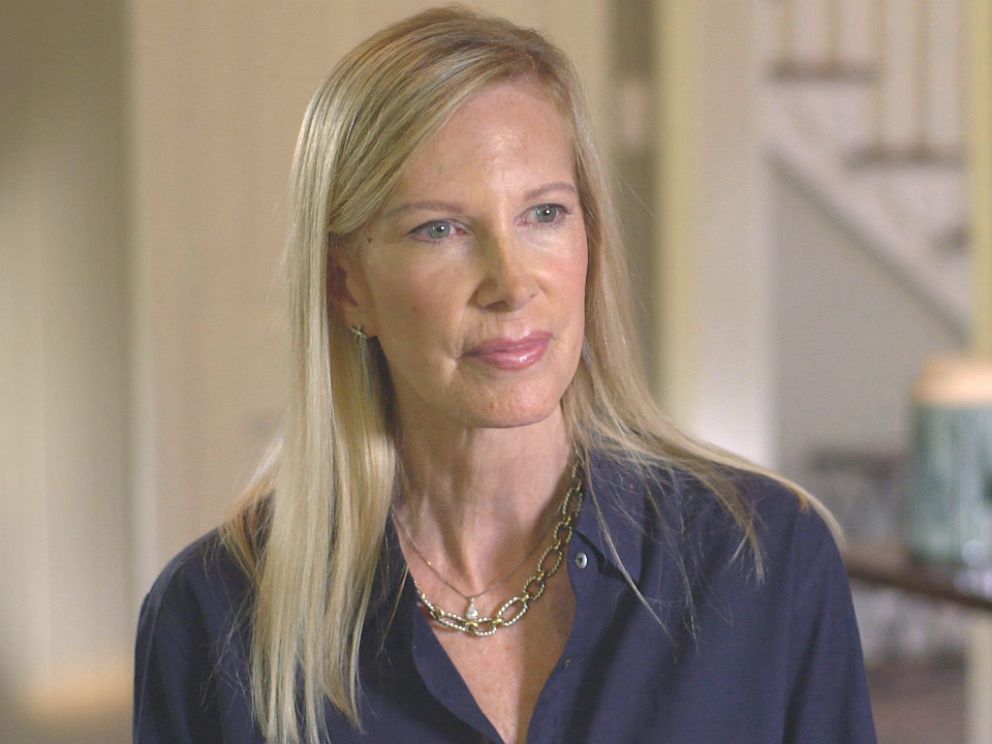
It is not only a mystery; it is a life interrupted
The series begins with a disappearance, but the person at its centre was more than the subject of a case file. Natalee Holloway was 18, had just graduated from Mountain Brook High School in Alabama and was preparing to attend the University of Alabama on a full academic scholarship. Netflix’s official background material describes her as driven, determined and surrounded by friends. Those details matter because they give viewers a sense of the future that was waiting for her before the trip to Aruba became a tragedy.
That contrast is one reason the story can stay with an audience. A mystery usually asks what happened. A life interrupted also asks viewers to think about everything that did not get to happen: the first college semester, friendships that might have grown, work she might have chosen and the ordinary adulthood her family expected to see. Those possibilities are not facts that can be reconstructed. They are the human absence behind the timeline.
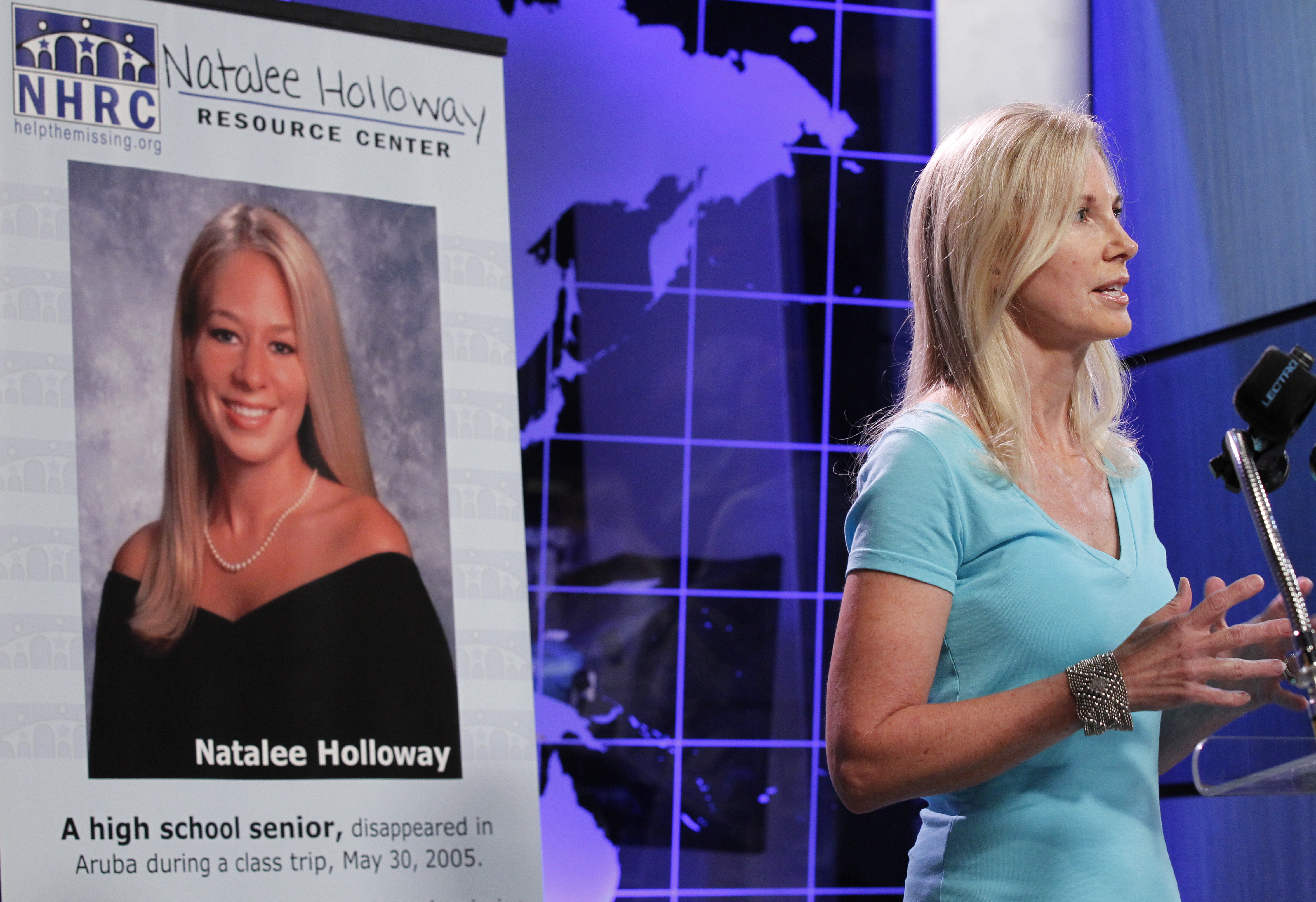
The passage of time becomes part of the story
Taken: Natalee Holloway is a three-part documentary, but its subject spans more than two decades. Netflix’s official synopsis describes a story that moves from Natalee’s 2005 disappearance to the confession given by Joran van der Sloot in 2023. The distance between those dates is not just background information. It is the scale of time the family spent living with uncertainty.
For viewers, that long timeline changes the emotional rhythm. The case did not remain frozen in the first days of the search. Beth had to keep making decisions, speaking publicly, dealing with leads and living through years in which the central question remained unanswered. Friends and investigators also carried their own memories of the events. When the documentary moves between early archival material and later interviews, the audience sees how a single event can continue to shape people’s lives long after the first headlines fade.

An answer does not restore what was lost
One of the documentary’s hardest distinctions is between learning what happened and recovering what was lost. In October 2023, van der Sloot pleaded guilty in the United States to extortion and wire fraud. As part of the related proffer process, he admitted killing Natalee and described what he said happened after she rejected him. That account gave Beth an answer to a question she had pursued for years. It did not bring Natalee home, and her remains have not been recovered.
Beth has described the end of not knowing as different from the kind of “closure” people often assume a family receives. In her November 2026 interview with Netflix Tudum, she explained that the uncertainty, scams and taunting had been part of the nightmare. The confession changed that part of her life, but she also said she was continuing to pursue legal accountability in the Netherlands. Her own description is more precise than a simple claim that everything is over.
This is where the series can linger after the credits. Viewers may feel relief that a long-standing question has an answer while also recognizing that the answer is not a replacement for a person. It is possible to understand Beth’s sense that the nightmare of not knowing has ended and still acknowledge the absence that remains. Those two realities do not cancel each other out.

The documentary’s emotional centre is also a point of debate
Several reviews identify Beth’s perspective as the series’ strongest emotional element. Decider recommends the brisk docuseries for its intimate account of the family’s long ordeal, even while noting that longtime followers may not learn much that is new. The National says the documentary’s focus on Beth gives it emotional weight, while also observing that the series revisits much of what was already known. A review from Heaven of Horror takes a more critical view, arguing that the production feels more like Beth’s story than a portrait centred on Natalee herself.
That disagreement is useful. A documentary can be affecting without being universally satisfying. Some viewers may want more time with Natalee’s personality and ambitions; others may find Beth’s long pursuit of answers the most compelling way into the case. The series’ emotional power is therefore not a measurable consensus. It comes from the tension between what the film chooses to foreground and what different viewers believe should have received more attention.

Why the story follows viewers beyond the final episode
There are at least four reasons the series may remain in viewers’ thoughts. First, it restores a measure of individuality to Natalee rather than treating her only as the subject of a famous disappearance. Second, it shows how uncertainty can stretch across years and affect people who were not at the centre of the investigation. Third, it separates the emotional significance of a confession from the legal question of whether a murder charge or conviction followed in Natalee’s case. Finally, it leaves the unresolved fact of her unrecovered remains in view rather than pretending that a confession has answered every question.
Those elements are not designed to manufacture suspense. They are the real limits of the story. Netflix’s official companion coverage confirms that the series includes Beth, friends, investigators, journalists and previously unreleased FBI-operation footage. But the documentary cannot provide a physical recovery that has not occurred, and it cannot make the consequences of the crime disappear. That boundary is part of its lasting effect.
What viewers should take away
Calling Taken: Natalee Holloway a story that “stays with you” should not mean praising the tragedy as entertainment. The more thoughtful response is to recognize why the case resists a tidy ending. Natalee had a life and future beyond the headlines. Beth’s search changed over time, from trying to find her daughter to seeking accountability after receiving an answer. Friends and investigators remember different parts of a story that began in 2005 and remains emotionally consequential.
The series will not affect every viewer in the same way, and reviews show that people can disagree about its focus and what it adds. But its strongest moments invite a question that outlasts the episode: how do families and communities live with an answer that cannot undo the loss? That is a more lasting question than any plot twist.
For more context, read our coverage of Beth Holloway’s decision to participate after the 2023 confession and how Natalee’s friends describe the emotional arc across the years. You can also watch the official Netflix trailer.
Frequently asked questions
Why does Taken: Natalee Holloway feel emotionally different from some true-crime documentaries?
Its focus is not only on the investigation. The series follows Beth Holloway’s long search, Natalee’s life before the disappearance, and the emotional consequences that remained after the 2023 confession.
Does the documentary reveal information that was not previously known?
It includes previously unreleased FBI-operation footage and interviews with people connected to the case. Some reviews note that much of the broader story will be familiar to people who followed the investigation closely.
Did the 2023 confession bring complete closure?
Beth has said that the nightmare of not knowing what happened to Natalee was over, while also emphasizing that she was pursuing further legal steps. Natalee’s remains have not been recovered.
Who directed the Netflix documentary?
Taken: Natalee Holloway is a three-part documentary directed by Dani Sloane and Matthew Galkin. It premiered on Netflix on November 4, 2026.
Sources and further reading
- Netflix Media Center: Official synopsis and director credits.
- Netflix Tudum: Series background, participants and premiere details (Nov. 5, 2026).
- Netflix Tudum: Beth Holloway on life after the confession and her next legal steps (Nov. 4, 2026).
- Decider: Review of Taken: Natalee Holloway (Nov. 4, 2026).
- The National: Review and analysis of the documentary (Nov. 6, 2026).
- Heaven of Horror: Review of the series.
- CBS News / Associated Press: 2005 archival photographs from the search.
- U.S. Department of Justice: Van der Sloot’s guilty plea to extortion and wire fraud (Oct. 2023).
Editorial note: This article discusses the documentary’s possible emotional impact and summarizes published reviews. It does not claim to measure all audience reactions or imply that a confession is the same as a murder conviction.